
Views: 0 Author: Site Editor Publish Time: 2026-07-31 Origin: Site


Let’s be honest for a second. If you are reading this, you are probably either a healthcare professional tired of watching patients fumble with syringes, a clinic owner looking to streamline operations, or a biohacker trying to find the most efficient way to get your research peptides into your system. Whatever brought you here, we need to talk about the unsung hero of modern therapy: the peptide pen.
You might be thinking, "It’s just a needle, right?" Wrong. This is the difference between a clunky, anxiety-inducing injection and a seamless, almost futuristic experience. We are going to dive deep into the world of peptide pens. We aren't just talking about the device; we are talking about the ecosystem surrounding it. We'll break down the hardware, the legal hurdles, the logistics of keeping your product alive (spoiler: it involves refrigerators), and how to actually make money with these things without losing your shirt.
By the time you finish this guide, you will know more about peptide pens than 99% of people in the industry. We’re going to get technical, we’re going to get conversational, and we are definitely going to save you from making some expensive mistakes. So, grab a coffee (or a BPC-157 shot), and let’s dive in.
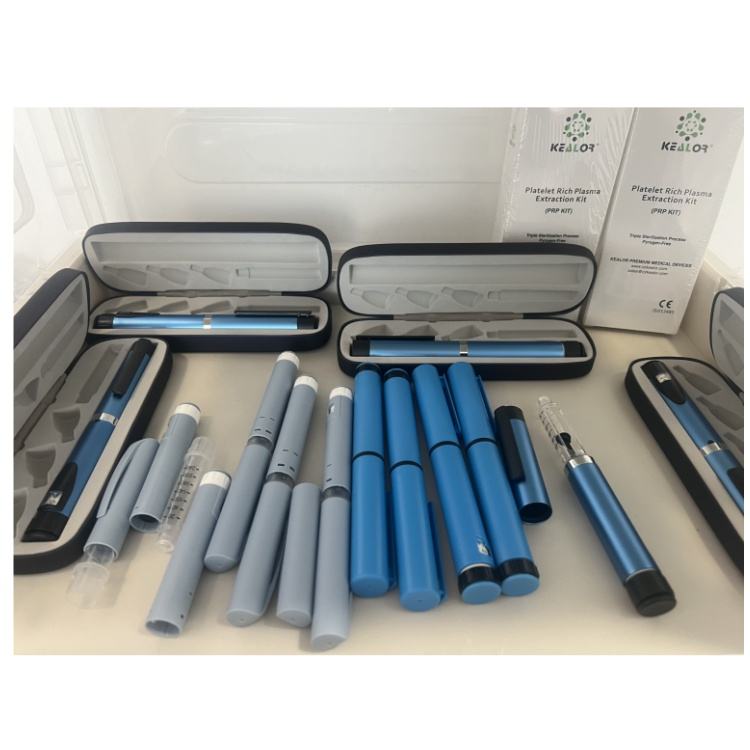
Let’s start at the very beginning: the device itself. When we talk about a peptide pen, we aren't talking about a glorified insulin syringe. That is like comparing a horse-drawn carriage to a Tesla. The technology has evolved. The modern peptide pen is a feat of micro-engineering designed to ensure precision, comfort, and compliance.
At its core, the peptide pen functions similarly to an insulin pen but is calibrated for the specific viscosity and dosage of research or therapeutic peptides. The hardware is the unsung hero here. If the mechanism is faulty, your dosing is off, and when it comes to peptides, dosing is everything.
The Spring-Loaded Mechanism vs. Manual Injection
Older models often relied on manual pressure. You had to push the plunger yourself, and if you had shaky hands or low visibility, you were in trouble. Modern peptide pens often feature a spring-loaded mechanism. This makes the injection faster and smoother.
Is it better? Absolutely. Compared to manual syringes, a spring-loaded pen delivers the dose at a consistent pressure. This means less pain, less tissue damage, and better absorption. Faster injection speeds often correlate with less bruising. Let’s be real; nobody wants to look like they lost a fight with a squid just because they took their morning GHK-Cu.
We need to talk about the needle. The needle is the interface between the user and the therapy. If the needle is bad, the experience is bad. Premium peptide pens utilize thin-wall needle technology.
Standard Needles: Usually 29 or 30 gauge. They work, but they can be dull.
Premium Needles: These are often 31 or 32 gauge and coated with silicone. They are thinner, sharper, and stronger despite their size.
Advantages and Disadvantages
Feature | Standard Syringe | Premium Peptide Pen (Thin-Wall) |
|---|---|---|
Pain Level | Higher (more drag) | Lower (faster entry) |
Dosing Accuracy | Prone to human error | Superior (mechanical precision) |
Cost | Less expensive upfront | More expensive initially |
User Experience | Clinical, intimidating | Better, discreet, user-friendly |
The downside of the pen? The cost. Peptide pens are generally more expensive than standard syringes. However, when you factor in the reduced waste of the medication (since you are less likely to spill or mis-dose), the pens can actually be less expensive in the long run.
Have you ever tried to twist a syringe while holding it at a weird angle? It's awkward. The peptide pen is designed to be held like a marker. It’s lighter, easier to grip, and allows for a 90-degree or 45-degree angle injection with minimal fuss. For patients with arthritis or mobility issues, a peptide pen is significantly better. The larger grip surface and lower resistance to injection make a huge difference.
A Note on Visual Impairment
For the aging population or those with visual issues, the peptide pen is a lifesaver. Many pens feature audible clicks. You can hear each unit dose click, so you know you’ve hit the right amount without even looking. Compared to trying to read the tiny lines on a U-100 insulin syringe, this is a massive leap forward.
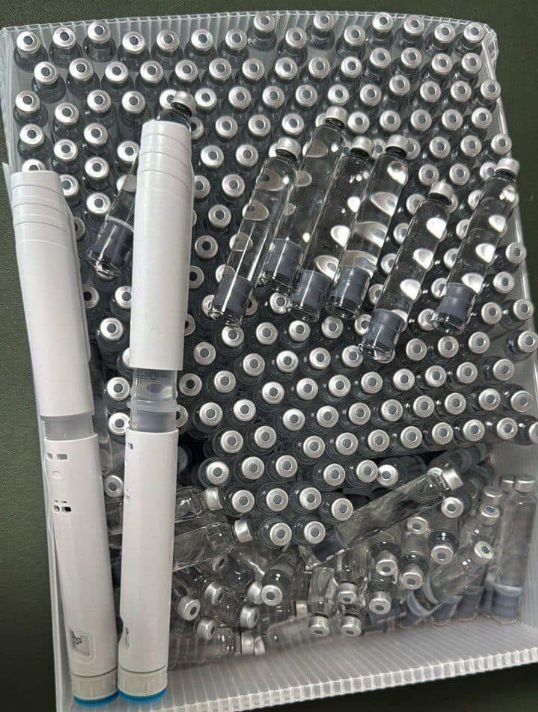
Let’s discuss the "tank" of the peptide pen. The cartridge. Most high-quality peptide pens use a multi-dose cartridge system. Instead of filling a syringe from a vial each time, you load a cartridge.
Pros of Cartridge Systems:
Less Contamination: You aren't piercing a rubber stopper daily, reducing the risk of bacterial ingress.
Convenience: Load it and forget it (for a few weeks).
Better Stability: The cartridge protects the peptide from light and air exposure better than a vial.
Cons of Cartridge Systems:
Compatibility: Not all peptides are available in cartridge form.
Waste: Sometimes you have to throw away leftover medication if you don't finish the cartridge in time.
When evaluating a peptide pen, you have to ask: Does the cartridge system work for your specific peptide? If your peptide is sensitive to light (like certain antioxidant peptides), you need a pen with an opaque cartridge chamber. If it’s more stable, a clear one works fine to see the level.
Now, let’s get into the messy, complicated, and frankly terrifying world of regulations. I won’t lie to you; the regulatory landscape for peptide pens is a minefield. It’s a labyrinth where one wrong turn can cost you millions or land you in legal hot water.
Let’s get one thing straight. In the US, most therapeutic peptides are prescription-only. You can’t just walk into a store and buy a peptide pen filled with CJC-1295. The FDA requires a prescription for these compounds because they are potent biological agents.
The "Research" vs. "Therapeutic" Distinction
This is where the waters get murky. You have "research peptides" and "therapeutic peptides." A peptide pen sold for research purposes is usually exempt from some FDA regulations as long as it is not marketed for human consumption. However, the moment a clinic buys that pen and hands it to a patient, it becomes a medical device and a drug delivery system.
The "Compounding" Conundrum
Many clinics use compounding pharmacies to fill peptide pens. Compounding is when a pharmacy combines, mixes, or alters ingredients to create a medication tailored to an individual patient’s needs.
Advantages of Compounding:
Customization: You can tailor dosages (e.g., a specific blend of peptides that works for a specific patient).
Availability: If a peptide is in shortage, a compounding pharmacy can sometimes source it.
Disadvantages of Compounding:
Regulatory Scrutiny: The FDA and state boards of pharmacy are watching compounding like a hawk. If you are caught sourcing raw materials from a sketchy supplier, you are in trouble.
Quality Control: Compared to commercial manufactured peptides, compounded peptides have less rigorous testing. You are reliant on the pharmacy's reputation.
This is the elephant in the room. Many peptides are prescribed off-label. This means they are being used for a purpose that is not specifically approved by the FDA but is within the practice of medicine.
The Risks of Off-Label Prescribing:
Liability: If a patient has a bad reaction, you are open to liability.
Insurance: Many insurance companies won’t cover off-label use, meaning the patient pays out of pocket.
The Benefits of Off-Label Prescribing:
Better Patient Outcomes: Sometimes, the approved drugs don’t work, but a peptide does.
Innovation: It allows clinicians to push the boundaries of medicine.
Staying on the right side of the law means ensuring you are complying with state and federal guidelines. If you are a clinic, you need a Medical Director who understands these nuances. If you are a patient, ask your provider about the regulatory status of the peptide pen you are using.
Peptides are delicate. They are basically fragile proteins that can degrade if you look at them wrong. This is where the cold chain comes in. The cold chain refers to the temperature-controlled supply chain required to keep peptides stable.
If a peptide gets too hot, it can denature (unfold) and become useless. At best, you are injecting a placebo. At worst, you are injecting fragments that could cause an immune reaction.
The Ideal Temperature Range
Most lyophilized (freeze-dried) peptides are stable at room temperature for a short time, but the moment you reconstitute them (add bacteriostatic water), they need to be refrigerated. The sweet spot is usually 2°C to 8°C (36°F to 46°F).
Advantages of Strict Cold Chain:
Stability: The peptide retains its full potency.
Safety: Reduces the risk of bacterial growth.
Disadvantages of Cold Chain:
Cost: Shipping is more expensive (requires insulated boxes with ice packs).
Logistics: You need to ensure that every step of the journey is temperature-controlled.
The "last inch" problem is a term we use to describe the transition from the manufacturer to the clinic, and finally, to the patient. The manufacturer ships it cold. The distributor ships it cold. The clinic stores it in a fridge. The patient? The patient is the wild card.
The Patient's Role
How many times have you seen a patient pick up their peptide pen and leave it in a hot car? Or store it in the door of the fridge (where temperatures fluctuate)? The "last inch" is the patient’s fridge door. Clinics need to invest in better education on this.
Innovations in Packaging
Some manufacturers are now using smart packaging. This includes temperature indicators on the packaging. If the peptide pen got too hot during shipping, the indicator changes color. This is a simple but powerful tool. It’s a visual cue that the product might be compromised. Compared to the old days of just "trusting" the shipment, this is a massive upgrade.
Choosing a supplier for your peptide pens or the peptides themselves is arguably the most important decision you will make. It’s like choosing a surgeon; you want the best, not the cheapest.
When vetting a vendor, we look at a matrix of criteria:
Manufacturing Standards (GMP vs. Non-GMP):
GMP (Good Manufacturing Practice): This is the gold standard. It means the facility is inspected and follows strict guidelines. Products are purer and safer. It is more expensive, but you get what you pay for.
Non-GMP: Often cheaper, but the quality control is hit or miss. You might get a peptide that is 95% pure instead of the advertised 99%. That 5% could be anything.
Third-Party Testing:
A premium vendor uses independent labs to test their products. They share the Certificate of Analysis (COA) openly. If a vendor hides the COA, that is a massive red flag.
Supply Chain Transparency:
Do they source their raw materials from China or the US? It’s not that China is bad (they make a lot of high-quality APIs), but you need to know the origin. A vendor who tells you their supply chain is a partner you can trust.
Customer Support and Education:
A vendor that provides training materials on how to use the peptide pen is worth their weight in gold. If they treat you like a number, walk away.
Advantages of a Premium Partner:
Better Quality: Higher purity, better stability.
Faster Support: If something goes wrong, they fix it quickly.
Stronger Compliance: They help you stay legal.
Disadvantages of a Premium Partner:
More Expensive: Higher unit price.
Less Flexibility: They might have minimum order quantities.
How to Spot a Bad Vendor:
Cheap Prices: If it seems too good to be true, it is.
No COA: If they aren't testing, they don't know what they are selling.
Slow Shipping: If it takes weeks to get a sample, their logistics are a mess.
Okay, so you have the pen, you have the peptide, and you have the patient. Now what? You need to train your staff. A clinic that doesn’t train staff on a peptide pen is a clinic that is asking for a lawsuit.
It sounds basic, but you’d be surprised. People think they know how to give a shot, but they don't know how to use a peptide pen specifically.
Key Training Points:
Priming the Pen: Before the first use, you need to do an "air shot" to remove air bubbles. If you don't, you might inject air, which is not dangerous in subcutaneous tissue, but it does mean you aren't getting the full dose of the drug.
Pinch and Inject: For subcutaneous injections, pinching the skin creates a barrier that avoids the muscle. It’s often done in the stomach, thigh, or back of the arm.
Counting the "Dwell Time": This is a big one. After pressing the button, you need to hold the needle in for a count of 10. If you pull it out too fast, you might draw fluid back into the needle track and waste the medication. It’s a simple thing, but so many patients miss it.
Your staff needs to know the difference between a mild reaction and anaphylaxis.
Mild: Redness, itching at the injection site. This is common, especially with peptides like GHK-Cu.
Severe: Wheezing, swelling of the face, difficulty breathing. This is an emergency.
Training Your Staff to Ask the Right Questions:
"Have you ever taken this peptide before?"
"Are you allergic to any metals?" (Some peptides are chelated with copper).
"Are you on blood thinners?" (This affects bruising).
You shouldn’t be the only one who knows this stuff. You need to teach the patient. If they leave the clinic confused, they will mess it up at home.
The Three "R's" of Patient Education:
Rotation: Rotate injection sites to avoid lipohypertrophy (scar tissue).
Refrigeration: Remind them to keep it in the main part of the fridge, not the door.
Reconciliation: Confirm they know what dose to take. "You want 250mcg, not 500mcg. Let me mark that on your pen."

Let’s talk money. The price tag on a peptide pen is just the beginning. There is a whole financial strategy behind how you source, store, and dispense these pens.
Don't just look at the unit price. Look at the Total Cost of Ownership.
The Components:
Unit Price: How much does the pen cost?
Shipping: How much does it cost to get it to you? Cold shipping is expensive.
Storage: Do you need to upgrade your refrigerator or buy a specialized medical fridge?
Waste: How much medication is left in the cartridge at the end? Are you wasting 10% or 20%?
Staff Time: How long does it take to train staff and dispense?
The Math Example:
Vendor A sells a pen for $100, but shipping is $50, and there is a 15% waste.
Vendor B sells a pen for $120, but shipping is free, and there is a 5% waste.
Which is cheaper?
Vendor A: $100 + $50 + ($100 * 0.15 waste) = $165 total cost.
Vendor B: $120 + $0 + ($120 * 0.05) = $126 total cost.
Vendor B is the better deal. The unit price was higher, but the total cost was lower.
How do you price this for the patient?
Markup: Most clinics mark up the drug by 100% to 300%.
Service Fee: Some clinics charge a separate "administration fee" for the injection.
Subscription Model: Some clinics are moving to a membership model where the patient pays a flat monthly fee for the peptide and the support.
The Advantage of the Subscription Model:
Predictable Revenue: You know exactly how much money is coming in.
Better Compliance: Patients are more likely to stick with the therapy if they are paying for it monthly.
The Disadvantage:
Higher Upfront Cost for the Clinic: You need to buy the inventory in bulk.
Risk of Waste: If the patient stops paying, you are stuck with their custom cartridge.
For a clinic? Yes, it is a stronger return on investment compared to oral supplements or creams. The efficacy is higher, so patient satisfaction is higher. Happy patients tell their friends.
For a patient? It depends. The peptide pen is more expensive than a vial and a syringe, but the convenience and accuracy are significantly better. If you have a busy lifestyle, the peptide pen is worth the extra cost.
The world is going digital, and peptide pens are no exception. The smart pen is the next evolution in healthcare delivery.
A smart pen is a peptide pen that connects to a Bluetooth app on your phone. It tracks your doses, the temperature of the cartridge, and even reminds you when to take your next shot.
Features of Smart Pens:
Dose Tracking: The pen records every unit you inject.
Temperature Monitoring: A sensor in the pen alerts you if the temperature goes out of range.
Alerts: The app buzzes you if you forget a dose.
Advantages of Smart Pens:
Better Data: For clinicians, having real-time data on patient adherence is a game-changer. You can see if the patient is skipping doses.
Better Safety: If the pen detects a temperature excursion, it can alert the patient to not use the drug.
Disadvantages of Smart Pens:
More Expensive: The hardware is pricier.
Tech Issues: What happens if the app crashes? What if the Bluetooth is laggy?
Battery Life: You have to charge it. It’s just another gadget to manage.
We are moving towards integrated health. Imagine a peptide pen that connects to your Apple Health Kit or your electronic medical records (EMR) system. The clinician can see the data automatically.
The "Ecosystem" Approach
We aren't just selling a pen anymore; we are selling a system. The system includes the pen, the app, the data analytics, and the clinician support. Clinics that adopt this system will be faster, stronger, and more attractive to tech-savvy patients.
Is it better to stick to traditional pens?
Traditional pens are lighter, simpler, and cheaper. They don't have the battery life issue. For older patients or those who are tech-phobic, the traditional pen is a better choice. For the biohacker who loves data, the smart pen is superior.
Alright, you’ve made it this far. You are no longer a newbie. You are a peptide pen aficionado. Before you go and sign that Purchase Order (PO), let’s run through a checklist to make sure you are making the right choice.
The Pre-PO Checklist:
Regulatory Status: Is this peptide legal to prescribe or use in your jurisdiction? Do you have the paperwork?
Vendor Reputation: Have you vetted the vendor? Checked their COAs? Called their references?
Cold Chain Plan: Do you have the fridge space? Do you have a backup plan for power outages?
Training: Is your staff trained on the specific pen you are buying? Do you have patient education materials?
Financial Model: Did you calculate the Total Cost of Ownership? Does the math work?
Hardware Quality: Is the needle sharp? Is the plunger smooth? Is it the right gauge for your peptide?
Future-Proofing: Are you buying a pen that will be obsolete in a year? Or one that can integrate with digital health if you choose?
The Final Verdict
Peptide pens are not a gimmick. They are a legitimate medical tool that offers better patient compliance, better safety, and a better overall experience. Compared to traditional syringes, they are a major upgrade. Are they more expensive? Yes. But the benefits—the accuracy, the convenience, the lower risk of contamination—make them a superior choice.
If you are a clinic, skipping the peptide pen might save you a few bucks today, but it will cost you patients in the long run. Patients want the best, and the best is a premium peptide pen delivered with a smile and a solid education.
If you are a patient, don't be afraid to ask your provider about the peptide pen. If they are still using ancient syringes, ask them why. In the world of peptides, precision is everything, and the pen is the most precise tool we have.
So, go ahead. Make the switch. Your patients (or you) will thank you for it.
Question | Answer |
|---|---|
What exactly is a peptide pen? | A peptide pen is a medical injection device pre-filled or refillable with a specific peptide solution. It's designed for easy, accurate subcutaneous self-administration, akin to an insulin pen but tailored for various peptides. |
Is a peptide pen better than a syringe? | Yes, for most users. It provides better dosing accuracy (less human error), faster administration (spring-loaded), and is lighter and easier to handle. The disadvantage is the cost, which is more expensive than a pack of syringes. |
Do I need a prescription for a peptide pen? | Yes, if the peptide inside is a regulated therapeutic agent in your country. In the US, most peptides require a prescription, and the pen acts as the delivery system for that prescription. |
How should I store my peptide pen? | Generally, you must refrigerate it at 2°C to 8°C (36°F to 46°F) after reconstitution. Never freeze it, and avoid storing it in the fridge door to prevent temperature fluctuations. |
Can I use a peptide pen for any type of peptide? | Not necessarily. The pen is designed for specific viscosity levels. Some peptides are thick (like certain GLP-1 variants) and require a stronger mechanism or a specific needle gauge. Always check compatibility with the manufacturer. |
What are the side effects of using a peptide pen? | Side effects are usually related to the peptide itself, not the pen. Common ones include site reactions (redness, itching), headaches, and fatigue. The pen itself may cause bruising if not used correctly. |
How do I know if my peptide pen is broken? | Signs include a bent needle, a jammed plunger, or failure to prime (no liquid comes out when you push the air shot). If it clicks but doesn't deliver the liquid, the mechanism is likely faulty. |
Is it safe to reuse a peptide pen needle? | Absolutely not. Needles are single-use to prevent infections and dulling. Reusing a needle is dangerous and can cause contamination. |
What is "priming" a peptide pen? | Priming means releasing a small amount (usually 1-2 units) of liquid into the air to remove air bubbles from the needle before you inject. This ensures you get the full, accurate dose. |
How does a smart peptide pen work? | It connects via Bluetooth to a smartphone app to track your doses, injection times, and sometimes the temperature of the device. This helps users and clinicians monitor adherence and medication safety. |


