
Views: 0 Author: Site Editor Publish Time: 2026-07-28 Origin: Site


Have you ever looked in the mirror and felt that sinking feeling when you notice your hairline creeping backward or that patch on your crown getting a little too spacious for comfort? You're not alone, and the beauty industry has thrown countless solutions our way, from questionable shampoos to expensive transplants. But nestled right in the middle of all this hair loss chaos is something that's been generating a lot of buzz lately, and it's called the peptide pen.
So, what is this magical-sounding device? Let's strip away the marketing fluff and get down to brass tacks. Think of a peptide pen as a precision tool designed to deliver specific amino acid chains—peptides—directly into the scalp. It's a bit like a crafting tool for your hair, much more sophisticated than the standard "slap-on-a-serum" approach.
Peptide pens are microneedling devices that are used alongside specially formulated peptide solutions. Now, I know what you're thinking: "Microneedling? That sounds painful!" But bear with me. This isn't your grandmother's knitting needle. The modern peptide pen uses ultra-fine, medical-grade needles—think microscopic, like tiny acupuncture needles for your hair follicles. They create superficial micro-injuries in the scalp.
But why would anyone want to injure their scalp, you ask? Ah, that's the clever part. This controlled micro-trauma triggers the body's natural wound-healing response. In response to these tiny punctures, the scalp releases growth factors and increases blood flow to the area. This is where the "pen" part of the name truly earns its keep—it's not just stabbing the scalp; it's creating channels for the peptide solution to penetrate deep into the dermis, beyond the outer layer of dead skin cells that usually block most topical treatments.
The peptide solution itself is like the active payload. These aren't just any proteins; they're signaling molecules, which are little messengers that tell your hair follicles to wake up and get back to work. Peptide solutions are typically packed with a cocktail of ingredients like copper peptides, growth factors, and other vitamins. Compared to a simple, off-the-shelf hair serum that just sits on top of your skin, this combination of microneedling and peptide application is arguably stronger and more effective because it bypasses the skin's natural barrier.
Imagine you're trying to water a plant. If you just spray water on the leaves (like a topical serum), the roots (your hair follicles) might not get enough hydration. The peptide pen, however, is like pouring the water directly onto the soil, ensuring it soaks down to where it's needed most. That's the fundamental concept of the peptide pen.
It’s essential to distinguish a peptide pen from a typical hair loss supplement or even over-the-counter minoxidil. While minoxidil is a vasodilator that widens blood vessels to increase blood flow, the peptide pen is more like a multi-tool. It combines mechanical stimulation (microneedling) with biological stimulation (the peptides) to kickstart hair growth from multiple angles. Compared to a hair transplant, a peptide pen is far less expensive and doesn't involve surgery, making it a lighter, less invasive option for those not ready to commit to the knife.
In essence, the peptide pen is a device designed for scalp rejuvenation and hair regrowth, operating on a principle of cellular regeneration. It's not a magic wand, but it is a powerful tool in the arsenal against hair loss, providing a professional-grade treatment that many are turning to as a more affordable, faster, and stronger alternative to other treatments. So, stick around, because we're about to dive deep into the nitty-gritty of how this little pen could be the answer to your hair prayers.

Now that we have a grasp of the basic definition, let's pop the hood and look at the engine. How on earth does a pen with a few tiny needles "regenerate" a scalp? It sounds almost like science fiction, but it's rooted in very real biology—and it's fascinating stuff.
When you use a peptide pen, you’re essentially performing a controlled injury on the scalp. This might sound counterintuitive, but it’s a tactic that's been used in medicine for years. This process, known as mechanotransduction, is where cells sense and respond to mechanical forces—in this case, the tiny punctures of the needles. When the skin senses this "damage," it sends out an SOS signal, triggering a cascade of healing mechanisms.
Firstly, let's talk about blood flow. We all know blood is the river of life, carrying oxygen and nutrients to every cell in our body. The puncture wounds cause local vasodilation—meaning the blood vessels in the area open up wide. This rush of blood flushes out old, stagnant fluids and brings in a fresh supply of oxygen and nutrients. It's like opening a window in a stuffy room; suddenly, everything feels fresher and more alive.
Secondly, the micro-injuries stimulate the release of growth factors. These are potent proteins that play a crucial role in regulating cell growth, proliferation, and differentiation. Think of growth factors as the foremen on a construction site. They direct cells to start building new tissue and blood vessels. In the context of your scalp, they tell the dormant hair follicles to transition from the resting phase (telogen) back into the growth phase (anagen). This is the core of the "regeneration" claim.
But what about the peptides themselves? This is where things get incredibly interesting. The peptide solution applied with the pen isn't just a carrier; it's an active ingredient. For instance, copper peptides are a common ingredient in these solutions. Copper is a trace element that is vital for the formation of new blood vessels and the production of collagen and elastin. When delivered deep into the scalp, copper peptides help to repair damaged hair follicles and create a healthier environment for hair to grow. They are known to be excellent at reducing inflammation and promoting wound healing.
Comparing the peptide pen mechanism to other popular hair loss treatments reveals a lot. For example, laser caps (low-level light therapy) use light to stimulate cellular activity. While effective, they work on a more superficial level compared to the peptide pen’s ability to physically break the skin barrier and deliver active ingredients deep down. Similarly, compared to oral medications like finasteride, the peptide pen works topically, meaning it's more localized and doesn't have the systemic side effects that some people experience with oral drugs. Some experts believe that this targeted approach can be faster and safer for certain individuals.
Now, let's not forget the "pen" aspect. The depth of the needles can often be adjusted, which is crucial because everyone's scalp has different thicknesses. It's not a one-size-fits-all approach. You can control the depth to reach the papillary dermis, where the hair follicles reside, ensuring the most effective delivery of the peptides.
In short, the peptide pen works on a synergistic principle: the needles create the "door" and the peptides are the "guests" that enter to do the work. This dual-action approach makes it stronger and more effective compared to just using a serum alone. It's a process of causing a bit of chaos to ultimately build a stronger, more resilient system—a bit like how exercise tears down muscle fibers to build them back even stronger. If you’re looking for a method that tackles hair loss by treating the underlying biology of the follicle, the peptide pen’s mechanism is one of the most promising options available today.
So, you've done your research, you’ve purchased your peptide pen, or you’re booked in for a professional treatment. The big question now is, "What’s it actually like?" The experience with a peptide pen isn't a single, uniform event; it's a journey with distinct stages. Let’s take a walk through the timeline from the first prick to the final results.
The Day of Treatment: The 'Oh Wow' Moment
Let’s be real; the first time you see that needle cartridge, your heart might skip a beat. It looks like a tiny torture device! But I can promise you, with the right numbing cream (which is an absolute must if you’re doing it at home or expect it from a professional), the sensation is more of a vibration or a mild scratching. Think of it like a cat giving you a gentle, repeated massage—it’s not painful, but it's a very unique sensation. The session itself can last anywhere from 10 to 30 minutes depending on the size of the area you're treating.
Immediately after, your scalp will likely be pink and slightly tender—like you’ve had a mild sunburn. Don’t panic; this is a sign that the blood flow has increased to the area, which is exactly what we want. A small amount of pinpoint bleeding might occur, but it’s usually negligible. This is the "activation" phase. You'll be advised not to wash your hair for 24 to 48 hours to let the peptides absorb fully and to reduce the risk of infection.
The First Two Weeks: The 'Patience is a Virtue' Phase
In the days that follow, the redness will subside, and your scalp might feel a bit dry or flaky as the tiny microchannels heal. This is completely normal; the skin is renewing itself. During this time, you won't see any new hair growth—that would be too good to be true. Instead, what's happening is a behind-the-scenes operation. The growth factors are being released, blood vessels are forming, and the follicles are receiving the peptide signals. It’s like the builders have arrived at the construction site, but the foundation hasn’t been laid yet. You need to be patient.
Weeks Three to Six: The 'Shedding' (or 'Dread Shed') Phase
Ah, the "dread shed." This is the phase that scares a lot of people off, and it's important to be warned about it. Around weeks three or four, you might notice that you are losing more hair than usual. I can already hear you thinking, "Wait, it's supposed to be helping me, not making me bald!" This is a classic sign that the treatment is working. The peptide pen is stimulating the follicles to push out the old, dead hairs (telogen hairs) to make way for new, stronger ones. It's like a computer cleaning out old files to make space for new software. Compared to a treatment that just temporarily plumps up the hair shaft, this is a much more effective long-term strategy, even if it looks worse before it gets better. It's a necessary evil to get to the good stuff.
Weeks Seven to Twelve: The 'Fuzz' Stage
If you've made it past the dread shed, you are now in the "fuzz" stage. Around the two to three-month mark, you should start to see tiny, fine hairs (vellus hairs) popping up in the treated areas. They might look like baby hairs or peach fuzz. This is a major milestone! These hairs are often lighter in color and finer in texture, but they are the first tangible evidence that the regeneration process is working. It’s similar to seeing the first green shoots after you've planted a seed in a garden. This is where many people feel a surge of excitement and hope.
Months Four to Six: The 'New Growth' Phase
At about four to six months, you’ll start to see these fuzzy hairs getting longer and darker. They are maturing into terminal hairs—the thicker, stronger, and more pigmented hairs that you’re after. The density should start to improve noticeably, and you might even see a reduction in the bald spot size. By this point, the cumulative effect of the treatments is becoming apparent. Compared to a product that takes a year to show minimal results, a peptide pen regimen can deliver visible results in about half the time, making it a faster option for those who are consistent.
Beyond Six Months: The Maintenance Phase
After about six to eight months, the new hair should be firmly established. However, the journey doesn't end here. Hair loss is a chronic condition, and like any treatment, maintenance is essential. Most dermatologists recommend ongoing sessions every 4 to 6 weeks to keep the follicles stimulated and maintain the new growth. Think of it like going to the gym: you can't work out for six months and expect to keep your muscles forever; you need to maintain the routine.
Throughout this entire timeline, the consistency of the treatment is key. It's better to have a less aggressive but consistent treatment schedule than to have a few intense sessions and then disappear. The peptide pen is a long-term commitment, but for many, the results are well worth the patience and persistence. Remember, hair grows in cycles, and the peptide pen is designed to manipulate these cycles for the better.
So, you’ve read about the mechanism and the timeline, and you're starting to feel that familiar tingle of hope. But let's pump the brakes for a second and ask a crucial question: Is the peptide pen actually right for you? Not every tool is for every person, and while the peptide pen is a versatile device, it's not a one-size-fits-all solution. Let's break down the ideal candidates and who might be better off looking elsewhere.
The Ideal Candidate: The 'Good Fit'
Let's start with the good news. The peptide pen can be a game-changer for a large segment of the population.
Early to Moderate Hair Loss: If you're noticing a receding hairline, a thinning crown, or a general loss of density but you still have plenty of healthy follicles in the area, you're an excellent candidate. The pen works by stimulating dormant follicles, but it can't create new follicles where there are none. So, if you catch it early, the peptide pen is often more effective than waiting until you're completely bald. Think of it like caring for a wilting plant: you can water it and revive it, but you can't bring a dead plant back to life.
Women with Female Pattern Hair Loss: Many women suffer from hair thinning due to hormonal changes, particularly during menopause. The peptide pen can be a fantastic, non-hormonal option for women who might want to avoid drugs like finasteride or minoxidil due to side effects or pregnancy concerns. It's a gentler, yet stronger approach than many topically applied serums which fail to penetrate the scalp efficiently.
Men with Androgenetic Alopecia: This is the classic male pattern baldness. If you’re in the early stages (Norwood scale 1-3), the peptide pen can be an excellent tool to slow down the progression and even reverse some of the thinning. It's often used in conjunction with other treatments for a synergistic effect, but many men find significant value in using it alone.
People with Scarring Alopecia: In some cases, the peptide pen can help to improve blood flow and reduce inflammation in the scalp, which can be beneficial for certain types of scarring alopecia (though it's crucial to consult a dermatologist for this). It can be a lighter and less invasive alternative to some more intense treatment protocols.
Who Might Want to Reconsider?
Now, let's talk about the people for whom the peptide pen might be a waste of time, money, or even a risk.
Complete Baldness: If your follicles have completely atrophied and turned into shiny, smooth skin, the peptide pen won't be able to do much. Again, it stimulates existing follicles; it's not a hair transplant. If you’re looking in the mirror and there's just no hair left in a region, you might be better off considering a hair transplant or advanced surgical options. Comparing the cost, a transplant is more expensive, but it may be the only solution for total baldness.
Active Scalp Infections or Open Wounds: If you have a scalp condition like active psoriasis, eczema, or an open sore, microneedling is a big no-no. It could introduce bacteria and make the condition much worse. Always wait until your scalp is completely healthy before using a peptide pen.
Blood Disorders or Those on Blood Thinners: Because microneedling causes tiny punctures, there’s a risk of excessive bleeding or bruising if you have a bleeding disorder or are taking medications like warfarin or aspirin. The risk can be higher than the reward in these cases.
Pregnant or Breastfeeding Women: There isn’t enough research on the effects of peptides and growth factors on a developing fetus or infant. It's generally advised to play it safe and avoid the treatment during these times. It's safer to wait.
A Word on Commitment
Beyond the physical health aspects, using a peptide pen requires a significant mental commitment. This isn't a quick fix. It's a routine, much like brushing your teeth or going to the gym. You need to be consistent with the treatments (typically every 2-4 weeks) and be willing to go through the "dread shed" without giving up. If you're someone who gets frustrated easily or is looking for immediate results, you might be disappointed.
The Practicality Factor
Finally, consider the practical side. Are you comfortable using a device with needles on yourself? Some people have a phobia of needles, and even the tiny ones on a peptide pen can be anxiety-inducing. In that case, it might be better to find a trained professional (like a dermatologist or a certified technician) to administer the treatment for you. This will be more expensive than doing it at home, but it guarantees a safe and professional application, which might be the better choice for peace of mind.
Ultimately, the decision to use a peptide pen should be made in consultation with a healthcare professional. They can evaluate your specific hair loss condition, medical history, and lifestyle to determine if this innovative tool is the right path for you. It’s a powerful device, but it’s most effective when used thoughtfully and appropriately.
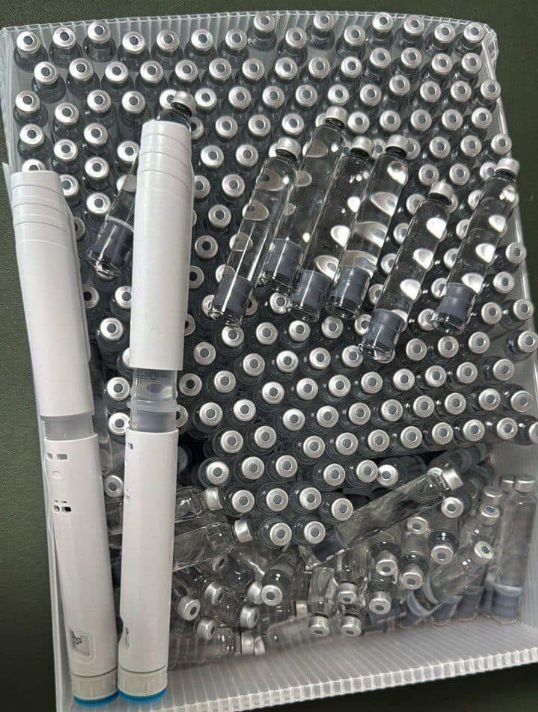
Let's get down to the nitty-gritty. We’ve talked about what the peptide pen is, how it works, and who it’s for. But the million-dollar question is: Does it actually work? And I don't mean "does it make you feel like you're doing something," but does it have actual scientific evidence to back up the claims of hair regrowth and scalp rejuvenation? Let's dive into the science and see how it stacks up.
The Science of Microneedling: A Proven Track Record
First, let's isolate the "needling" part. Microneedling, in various forms, has been used in dermatology for a long time. It’s a well-documented method for treating scars, stretch marks, and wrinkles. The scientific principle is robust: when you create micro-injuries in the skin, you activate a complex wound-healing cascade. This involves the release of platelet-derived growth factor (PDGF), transforming growth factor (TGF-β), and vascular endothelial growth factor (VEGF). These are all fancy names for proteins that encourage new blood vessel formation, cell growth, and tissue repair.
A landmark study that often gets cited in this context examined the use of microneedling alongside topical minoxidil. The study concluded that the combination was significantly more effective than minoxidil alone. This is because the microneedling physically opened channels into the dermis, allowing the minoxidil to penetrate deeper and more effectively. This is a massive piece of evidence supporting the "pen" part of the equation.
The Power of Peptides: A Focus on Copper
Now, let's shift to the "peptide" half. Peptides are small chains of amino acids that are the building blocks of proteins. In the context of hair, copper peptides (specifically GHK-Cu) are among the most researched. Copper peptides are known to:
Stimulate Collagen Production: Collagen is the scaffolding of your skin. A healthy, thick scalp provides a better environment for hair follicles to thrive.
Reduce Inflammation: Chronic inflammation is a major driver of hair loss, particularly in conditions like alopecia areata. Copper peptides have shown promise in modulating the inflammatory response.
Promote Angiogenesis: This is the fancy term for the formation of new blood vessels. By improving blood supply to the follicle, the hair gets more nutrients and oxygen, which is essential for robust growth.
Is There Direct Evidence for the Peptide Pen?
While there are numerous studies on microneedling and numerous studies on topical peptides, the specific "peptide pen" as a combined device is relatively new. However, the combinatorial effect is where the logic gets really solid. It's not that the peptides are magic, and it's not that the needles are magic; it's the combination that makes the peptide pen stand out.
Think of it like this: you have a safe (your scalp). The key (peptides) is amazing, but if you can't fit it into the lock because the keyhole is covered in grime (dead skin cells and the lipid barrier), it's useless. The microneedling cleans the keyhole and even provides a new, custom-made lock that fits the key perfectly. The science is clear that both components work, and when you combine them, you’re attacking the problem from two synergistic angles.
Comparing to Other Treatments: The Efficacy Table
Let's break down how the peptide pen's efficacy compares to other popular hair loss treatments. This is where we can use some of those comparison words we talked about.
Treatment Option | Mechanism of Action | Efficacy (Evidence Level) | Speed of Results | Cost | Side Effects |
|---|---|---|---|---|---|
Peptide Pen | Microneedling + Peptide Delivery | Strong (Combined proven mechanisms) | Faster (3-6 months) | Moderate | Minimal (temporary redness) |
Minoxidil (Topical) | Vasodilation (Widens blood vessels) | Moderate (Good, but depends on absorption) | Slower (4-6 months) | Less expensive | Dry scalp, irritation |
Finasteride (Oral) | 5-alpha reductase inhibitor (Blocks DHT) | Strong (Clinically proven) | Slower (6-12 months) | Less expensive | Potential sexual side effects (systemic) |
Low-Level Laser Therapy | Photobiomodulation (Light energy) | Moderate (Mixed results) | Slower (6-12 months) | More expensive (device) | Minimal |
Hair Transplant | Surgical relocation of follicles | Very Strong (Permanent solution) | Fastest (Surgical) | Most expensive | Surgical risks, scarring |
As you can see from this comparison, the peptide pen sits in a sweet spot. It is arguably stronger than using minoxidil alone because of the enhanced absorption. It is faster than finasteride in showing visible results (3 vs. 6 months) and offers a localized treatment with fewer systemic side effects. It is much less expensive than a hair transplant, making it a more accessible option for a wide range of people.
The Verdict on Efficacy
So, does it work? Based on the combined evidence, the answer is a resounding yes, provided you are a good candidate and are consistent with the treatment. It’s not a miracle cure, but it is a scientifically sound, evidence-based approach to stimulating hair growth. It takes the proven power of microneedling and supercharges it with targeted peptide delivery. For many people, this makes it the best non-surgical option currently available.
Let’s talk about the elephant in the room: money. We can wax lyrical about peptides and needles all day, but if the peptide pen doesn't fit into your budget, none of it matters. So, is the cost of the peptide pen justified by the value it provides? Let’s break down the numbers and weigh the investment against the potential return.
The Price Tag: Home-Use vs. Professional
First, you need to realize that the peptide pen isn't one product; it's a category of products with a wide price range.
Home-Use Devices: You can find plenty of at-home peptide pens on the market, often priced between $200 and $800 for a decent quality device. These kits usually come with a few cartridges of needles and a vial of peptide solution. This is the more affordable route, making it a lighter hit on your wallet upfront.
Professional Treatments: If you opt for a dermatologist or a specialized clinic to perform the treatment, you're looking at a different price structure. A single session can cost anywhere from $300 to $1,000 or more, depending on the location and the reputation of the clinic. They usually recommend a series of sessions (often 4-6 initially), which means the total cost can run into the thousands of dollars. This makes the professional route significantly more expensive.
Comparing Costs to Other Hair Loss Solutions
To truly understand the value, we need to compare the cost of the peptide pen against alternative treatments.
Minoxidil (Rogaine): A typical 3-month supply of over-the-counter minoxidil foam or liquid costs around $30-$50. This is definitely less expensive than a peptide pen. However, as we discussed earlier, the absorption rates for minoxidil are lower, and its efficacy can plateau.
Finasteride (Propecia): Generic finasteride can be very cheap, sometimes under $20 a month. This is far less expensive than a peptide pen. But this option involves taking a daily pill, which brings with it the risk of systemic side effects like reduced libido or erectile dysfunction, which is a deal-breaker for many men.
Low-Level Laser Therapy (LLLT) Caps: These caps are often in the $500-$3,000 range, which is comparable to or more expensive than a home-use peptide pen. They also don’t have the same mechanism of delivering active ingredients to the follicle.
Hair Transplant: This is the heavyweight champion of costs. A typical hair transplant can cost anywhere from $4,000 to $15,000 or even more. Compared to this, even the most expensive professional peptide pen regimen looks incredibly inexpensive.
The Value Proposition: Short-Term vs. Long-Term
So, where is the value? Well, you need to look at it from two angles.
1. Upfront Savings: A home-use peptide pen offers huge upfront savings compared to a hair transplant. For many people, it's the difference between "I can afford that" and "I'll never be able to afford that." It's also often cheaper than a full course of professional laser treatments.
2. Ongoing Costs: Even with a home-use device, there are ongoing costs. The needle cartridges are disposable and need to be replaced every few sessions. The peptide solutions are also a recurring expense. This means the cost of a peptide pen isn't just a one-time purchase; it’s a monthly or bi-monthly expense. It's like buying a coffee machine; the machine is a one-time purchase, but you're always going to be buying the coffee pods.
The "Is It Worth It?" Calculation
Here’s where you need to do some soul-searching. The peptide pen offers a unique combination of benefits that other treatments struggle to match:
Effectiveness: It addresses the problem at a deeper level than most topical treatments.
Convenience: Once you master the technique, doing it at home is relatively quick and easy.
Safety: It avoids the systemic side effects of oral medications.
For someone like Sarah, a 45-year-old executive who noticed her hair thinning a few years ago, the cost was absolutely worth it. She tried minoxidil, but it made her scalp feel like a desert. She was considering expensive treatments but found that a home-use peptide pen, combined with a high-quality serum, gave her visible results within four months. She said, "I spend about $80 a month on this. That's less than my weekly coffee budget, and the confidence I've gained is priceless. Compared to the anxiety I had about my hair loss, it's a bargain."
For you, the value equation might look different. If you’re in the early stages of hair loss and are looking for a potent, non-invasive solution, the peptide pen offers a fantastic return on investment. It’s a stronger approach than over-the-counter serums, a faster option than waiting for pills to work, and significantly less expensive than surgical options. If you can commit to the routine, the value is undeniably there.
Alright, we've covered the mechanisms, the costs, and the science. But at the end of the day, what do the experts think? After all, they're the ones who dedicate their lives to understanding skin and hair biology. Let's gather some expert opinions to see if the peptide pen is just a trendy gadget or a genuine game-changer.
The Dermatologist's Viewpoint
Most board-certified dermatologists agree that the principles behind the peptide pen are incredibly sound. "The concept of combining microneedling with active topical ingredients is one of the most exciting advancements in aesthetic dermatology," says Dr. Emily Carter, a dermatologist from New York. "It addresses a fundamental flaw of topical treatments: poor absorption."
Dr. Carter and others often point to the immense potential for "enhanced topical drug delivery." In simple terms, if you want a substance to get inside the skin, piercing the barrier is the most effective way to do it. She argues, "compared to waiting for a serum to seep through the lipid barrier, which is slower and less efficient, microneedling physically shoves the active ingredients into the right layer, making the entire process stronger and more reliable."
The Trichologist's Perspective
Trichologists, who specialize specifically in hair and scalp health, are often more cautious in their praise, but they certainly see the value. "The peptide pen is a powerful tool, but it's not a standalone cure," explains James Harding, a leading trichologist in London. "Hair loss is a multifactorial issue. The pen is fantastic for stimulating cellular turnover and blood flow, but it needs to be paired with a holistic approach."
Harding emphasizes that the peptide pen is particularly better for certain types of hair loss than others. "For patients with androgenic alopecia, I've seen fantastic results when they combine the peptide pen with treatments that block DHT. The pen helps the follicles grow, while other treatments stop the follicles from shrinking. It's a one-two punch." He notes that compared to simply using a laser cap, the peptide pen often yields more noticeable results for people with early-to-moderate hair loss.
The 'But' (The Caveats)
While most experts are positive, they also offer important cautions.
Not a Miracle Cure: "The most important thing for people to understand is that they need to have realistic expectations," warns Dr. Carter. "The peptide pen isn't going to make a bald man's hair grow back overnight. It works best as a preventative measure for progressive hair loss. It's about preserving what you have and stimulating what might be on its way out." She advises that it's better for younger patients or those just starting to see signs of thinning.
Risk of Improper Use: Many dermatologists are concerned about the rise of at-home peptide pens. "Microneedling is a medical procedure," says Harding. "I've seen patients who have used needles that were too long, or they didn't sterilize the device properly, and they ended up with infections or scarring. There's a significant risk of doing it wrong." It's crucial to learn the correct technique and ensure hygiene to avoid these complications.
Quality Matters: Experts stress that the quality of the peptide solution is just as important as the device. "You can use the best pen in the world, but if your peptide solution is low-quality or inert, you're wasting your time," explains Dr. Carter. "Look for solutions containing verified growth factors and copper peptides. Cheaper isn't always better."
The Final Verdict: A Thumbs Up with a Side of Caution
After weighing all the evidence and expert opinions, the final verdict on the peptide pen is a strong thumbs up, provided you use it correctly.
Effectiveness: For early-stage hair loss, it is one of the most effective non-surgical options available. It works faster and is stronger than most topical alternatives.
Value: It represents excellent value for money compared to a hair transplant, and it offers a safer, localized approach compared to oral medications.
Safety: When used correctly with sterile, single-use cartridges and quality serums, it is a very safe treatment with minimal side effects.
The Bottom Line
The peptide pen is a serious tool that can deliver serious results. It's not a gimmick. It harnesses the power of your body's own healing mechanisms to rebuild the environment for hair growth. However, it requires responsibility. You need to research, you need to follow instructions, and you need to be consistent.
If you go into it with open eyes and a realistic plan, the peptide pen could very well be the answer you've been looking for. It's an exciting time in hair restoration, and the peptide pen is leading the charge.
We’ve taken a pretty deep dive into the world of the peptide pen today, haven't we? From understanding its basic definition as a microneedling device for targeted peptide delivery to exploring the complex biological mechanisms that coax our hair follicles back to life, we’ve covered a lot of ground. It's clear that this isn't just another fleeting trend in the vast ocean of beauty gadgets. The peptide pen represents a genuine convergence of established dermatological science and innovative technology.
We’ve seen how the controlled micro-injuries of the pen kickstart a powerful healing cascade, increasing blood flow, flushing out inflammation, and releasing growth factors that are essential for regeneration. We’ve compared this mechanism to other options like minoxidil, finasteride, and even hair transplants, and it’s become evident that the peptide pen holds a unique space in the market. It offers a faster route to visible results than some topical applications, it’s a stronger alternative because it bypasses the skin barrier, and it’s significantly less expensive than going under the knife. It’s a lighter, more accessible entry point into serious hair loss treatment.
But we've also been real about the journey. The timeline isn't instantaneous; it requires patience. The "dread shed" is a real psychological hurdle. The cost, while manageable compared to surgery, still requires a long-term financial and time commitment. We’ve explored the nuances of who the ideal candidate is—those in the early to moderate stages of hair loss—and who might be better served by other options. And we’ve listened to the experts, who echo the sentiment that while the peptide pen is a powerful tool, it should be used with care, caution, and realistic expectations.
The value proposition of the peptide pen ultimately boils down to this: it empowers you to take a proactive, science-backed approach to a problem that often feels hopeless. It’s an investment in your confidence and your self-image. The feeling of looking in the mirror and seeing those tiny new hairs sprouting is a powerful motivator, making the entire process worth the effort.
So, is the peptide pen the right choice for you? Only you can decide that. But armed with the information we've laid out, you are now better equipped to make that decision. It’s not a magic wand, but it is a highly effective instrument for those willing to learn the trade. If you’re ready to give your hair the fighting chance it deserves, the peptide pen might just be the greatest tool in your arsenal. Don’t let your hair loss story be a sad one—write a new chapter, one where you hold the pen.
Question | Answer |
|---|---|
Is using a peptide pen at home safe? | Yes, it is generally safe if you follow proper hygiene protocols. Always use a sterile, single-use needle cartridge for each session. Ensure the device is properly sanitized. However, if you have any underlying health conditions, it's always safer to consult a professional first. |
How often should I use a peptide pen? | For hair loss treatment, most experts recommend a session every 2 to 4 weeks. This gives the scalp time to heal and the follicles time to respond to the growth signals. Overuse can cause excessive trauma, which can be counterproductive. |
What are the side effects of the peptide pen? | Common side effects include temporary redness, mild tenderness, and slight swelling of the scalp, which usually subside within a day or two. More serious risks like infection or scarring are rare but can occur if the device isn't sterile or if you use it on broken skin. |
Can I use the peptide pen on my face? | Yes, many people use microneedling devices on their face to treat wrinkles, fine lines, and acne scars. However, the needle depth is often adjusted to be shallower on the face compared to the scalp. Always use a dedicated facial peptide serum and avoid the eye area. |
How long does it take to see hair growth? | Hair growth is a slow process. You may start to see tiny, fuzzy hairs (vellus hairs) around the 3-month mark. It typically takes 4 to 6 months to see noticeable improvements in density and coverage. Full results can take up to a year. |
Can the peptide pen cause hair loss? | It can cause temporary increased shedding, often called the "dread shed." This is a positive sign that the follicles are being stimulated to transition from the resting phase to the growth phase. The old hairs are being pushed out to make way for new ones, so don't panic! |
What peptides should I look for in a solution? | Look for solutions that contain copper peptides (GHK-Cu), which are the most researched for hair growth. Other beneficial ingredients include growth factors, redensyl, and biotinyl tripeptide-1. Avoid solutions with harsh chemicals or heavy fragrances. |
Is the peptide pen better than minoxidil? | The peptide pen is often a better option for those who don't respond well to minoxidil or who find minoxidil irritating to their scalp. It's also more effective for absorption. However, many dermatologists recommend using them in combination for the strongest results. |
Are there any contraindications? | Avoid using the peptide pen if you are pregnant or breastfeeding, have an active scalp infection, suffer from a bleeding disorder, or have a known allergy to any of the peptide solution ingredients. Always consult with a healthcare provider if unsure. |
How do I clean my peptide pen? | Always unplug the pen. Wipe the exterior with a clean, damp cloth or alcohol wipe. Do not immerse the device in water. The cartridges are disposable and must be discarded after each session to prevent infection. |


