
Views: 0 Author: Site Editor Publish Time: 2026-07-27 Origin: Site


You know that feeling when you've just invested in a state-of-the-art peptide pen, convinced it's going to be your golden ticket to better health, faster recovery, or that elusive muscle definition you've been chasing? You're holding this sleek device that looks like it belongs in a sci-fi movie, feeling pretty darn sophisticated. And then... it jams. Or worse, the needle bends like a sad little pretzel. Or maybe—just maybe—you realize you've been storing it wrong this entire time, and your precious peptides have turned into useless goo.
I've been there, my friend. And let me tell you, nothing kills the vibe quite like watching a month's supply of your carefully researched peptides go down the drain because of a simple maintenance oversight. Trust me, I learned the hard way.
But here's the good news: we're going to fix all of that today. Think of this guide as your peptide pen's owner's manual meets best friend meets crisis hotline. We're going to cover everything from the moment you uncap that beauty to the storage secrets that'll keep your peptides potent and ready for action.
Let's cut the fluff and dive right into what really matters—keeping your peptide pen working better, faster, and stronger than the day you bought it. Because let's face it, these little wonders aren't cheap. Compared to traditional injection methods, peptide pens offer a more precise, less painful, and significantly more convenient experience. But they're also more delicate, more expensive, and require a level of TLC that most people simply don't know about.
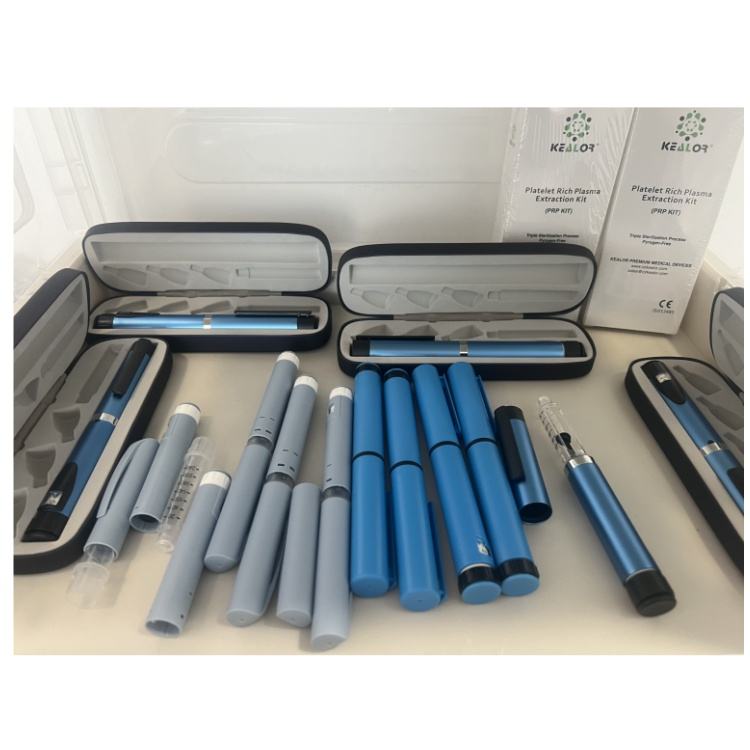
Before we get into the nitty-gritty of maintenance, let's talk about the three main villains in this story. I call them the "Big Three" because, honestly, they're responsible for about 90% of the peptide pen disasters I've seen. And let me tell you, I've seen a lot.
The Clogged Needle Nemesis
Picture this: you're all set for your morning injection. You've done the prep work, your hands are steady, and you're mentally prepared. Then you go to prime your peptide pen, and nothing. Not a drop. Just that frustrating clicking sound that makes you want to throw the whole thing against the wall.
This, my friend, is the clogged needle nightmare. It happens more often than you'd think, and it's usually because of one simple reason: dried peptide residue. Compared to insulin pens that use simpler formulations, peptide solutions are often more viscous and prone to crystallizing. When peptides dry inside the needle, they create tiny blockages that are almost impossible to clear without proper maintenance.
The solution? Never, ever leave your peptide pen uncapped between uses. I know it sounds obvious, but you'd be surprised how many people do this. Maybe they get distracted, or they think it's fine for "just a minute." Newsflash: that minute can cost you a needle and waste precious product. A better approach is to always recap immediately and clean the needle tip with an alcohol wipe before each use.
The Temperature Tango
Here's where things get really interesting. Peptides are essentially tiny protein chains, and just like that fancy steak you paid too much for at the restaurant, they're incredibly sensitive to temperature. Too hot and they degrade. Too cold and they crystallize. It's like they're Goldilocks and you're trying to find that perfect "just right" temperature.
Most peptide pens need to be stored between 2°C and 8°C (that's roughly 36°F to 46°F for my American friends). But here's the catch: the fridge isn't always the safe haven you think it is. The back of your refrigerator, where it's coldest, can actually freeze your peptides. And compared to the front, which might not stay consistently cold enough when you're constantly opening the door, the temperature fluctuations can be dramatic.
I remember talking to a guy who stored his peptide pen on the fridge door because it was "convenient." Convenient until he realized that every time someone opened the door, the temperature shifted by several degrees. After a month, his peptides were about as effective as sugar water. The lesson here? Store your peptide pen in the main compartment, toward the back, but not right against the cooling element.
The Friction Frustration
Now here's a killer that nobody talks about—friction. Every time you use your peptide pen, tiny mechanical parts are working together. The spring mechanism, the plunger, the twist mechanism—they're all experiencing wear and tear. Compared to a brand new peptide pen, one that's been used daily for months will have more friction in its moving parts.
This friction leads to inconsistent dosing, jamming, and eventually, complete failure. It's like driving a car without changing the oil—eventually, something's going to give. And when it does, you're left with a $300 paperweight.
The secret here is lubrication, but not the kind you're thinking of. You don't want to spray WD-40 anywhere near your peptide pen. Instead, regular maintenance and gentle handling can significantly reduce friction-related issues. I'll get into specific maintenance techniques later, but for now, just know that how you handle your pen matters.
Alright, let's talk about what I call the "Golden Hour" —that critical window right after you use your peptide pen when the actions you take can literally double the lifespan of your device. Think of it like aftercare for a tattoo or the first few minutes after a workout when you're stretching and doing cool-down exercises. It's not the most exciting part, but it's absolutely essential.
The "Never Skip This" Step
So you've just given yourself your peptide injection. You're feeling accomplished, maybe a little proud of yourself for mastering this whole self-injection thing. You're tempted to just toss the pen aside and go about your day. Don't. Do. It.
This is the moment that separates the peptide pen pros from the amateurs. The very first thing you need to do—and I mean immediately after removing the needle from your skin—is check the needle for any visible droplet of liquid. If you see one, that's valuable peptide you've just wasted, and it's also a sign that your pen might be malfunctioning. Compared to a perfectly functioning pen that delivers a clean, precise dose, any dripping indicates a problem that needs addressing.
Next up: the clean. Take an alcohol wipe and gently clean the needle tip. And I mean gently—you're not trying to give it a vigorous scrub. A simple wipe from the base to the tip is all you need. This removes any residual peptide solution that could crystallize and block the needle later.
The "Wait Five Seconds" Rule
Here's a pro tip that most people don't know about: after you've fully depressed the plunger, wait five seconds before removing the needle from your skin. Why? Because peptide solutions can be a bit thicker than insulin, and they need that extra moment to fully empty from the needle.
Compared to rushing through the process, this simple waiting period ensures you're getting your full dose and prevents leakage. Plus, it gives you a moment to check that the pen is actually working properly. You should see a small bead of liquid at the needle tip—that's your confirmation that the dose went through.
The "Pinch and Pull" Technique
Now, let's talk about needle removal because this is where a lot of people mess up. You've got this little needle stuck in your skin, and you want it out. But how you remove it matters more than you think.
The "Pinch and Pull" technique is simple: pinch the skin around the injection site with your non-dominant hand, and use your dominant hand to pull the needle straight out at the same angle you inserted it. Don't wiggle it. Don't twist it. And for the love of all that's holy, don't yank it out like you're pulling a weed.
Compared to careless removal, the proper technique ensures minimal tissue trauma and reduces the chance of needle bending. Bent needles are not only painful to reuse but can also cause microscopic damage to the pen's mechanical components.
Dealing with the Needle
Once you've removed the needle, it's time to dispose of it properly. Never, ever recap a used needle. I know the temptation is there—it looks hazardous just sitting there, and you want to make it safe. But one-handed recapping is how people get needle sticks, and that's a whole different kind of problem.
Instead, immediately place the used needle into a sharps container. If you don't have one, a heavy-duty plastic container with a screw-top lid works in a pinch. Just make sure you label it clearly and dispose of it properly when it's full.
The Final Step
Finally, store your peptide pen in its designated spot. But not just anywhere—I'm talking about the specific location you've chosen for it. By doing this consistently, you'll always know where it is when you need it. And more importantly, you'll know it's being stored under optimal conditions.
Compare this to just leaving it out on the counter or in the bathroom, where humidity and temperature fluctuate wildly. A dedicated spot means consistent conditions, and consistent conditions mean longer pen life and more potent peptides.
Ah, cartridge replacement. This is where many people find themselves in a sticky situation (pun intended). You've used up your current cartridge, and now you need to swap in a fresh one. Simple, right? Not so fast. This is actually one of the most critical moments in your peptide pen's life cycle, and doing it wrong can lead to contamination, wasted peptides, or a pen that simply stops working.
Preparation Is Everything
Before you even think about touching that cartridge, you need to prepare. Wash your hands thoroughly with soap and water—not just a quick rinse, but a real 20-second scrub. Pat them dry with a clean paper towel (not the kitchen towel that's been sitting there all week).
Now, get your supplies ready: the new cartridge (obviously), a clean work surface, and an alcohol wipe or two. Some people like to wear gloves for this process, and honestly, I don't hate it. Compared to bare hands, gloved hands are less likely to transfer skin oils to the peptide pen's mechanical parts.
The "No-Touch" Philosophy
The "No-Touch" technique is exactly what it sounds like: you want to minimize physical contact with the cartridge and the pen's internal components. Why? Because your skin, no matter how clean, carries oils and bacteria that can degrade peptides and cause mechanical issues.
Here's how it works:
First, remove the old cartridge. Most peptide pens have a simple twist-off mechanism. Hold the pen body firmly in one hand and twist the cartridge chamber with the other. It should come off easily.
Before you do anything else, take an alcohol wipe and clean the exposed area of the pen where the cartridge connects. This removes any old peptide residue and creates a clean surface for the new cartridge.
Now, take your new cartridge. Peel back the plastic covering, but don't touch the end that connects to the pen. Instead, hold it by the edges—the plastic housing, not the metal connector.
Align the cartridge with the pen body and gently press it into place. You should feel a slight click or resistance as it connects. Twist to secure it.
Finally, do a quick visual check to make sure everything is aligned properly. You shouldn't see any gaps or misalignment.
Compare this to the "grab and shove" approach that many people use, and you'll see a significant difference. The no-touch method reduces contamination, extends pen life, and ensures that your peptides stay pure.
Priming the New Cartridge
Once your new cartridge is in place, you need to prime it. Priming is the process of removing air bubbles from the cartridge and needle, ensuring that your first dose is accurate and complete.
Here's how to prime:
Attach a new needle to the pen (always use a fresh needle for each injection).
Dial the pen to a small dose—usually about 2 units.
Point the pen upward and tap the cartridge gently to dislodge any air bubbles.
Press the plunger and look for a droplet of liquid at the needle tip.
If you don't see a droplet, repeat steps 2-4.
Compared to a pen that hasn't been primed, a primed pen delivers a more consistent dose every time. It's a small step that makes a big difference in the overall experience.
The "One Cartridge, One Pen" Rule
I'm going to share a harsh truth with you: reusing cartridges is not only unsafe but also compromises the effectiveness of your peptides. Each cartridge is designed for a specific number of doses, and pushing it beyond that limit can lead to inconsistent dosing.
Compare the cost of a new cartridge to the cost of ineffective treatment, and you'll quickly see that skimping on this step is false economy. Yes, cartridges are expensive. But are they more expensive than wasting your entire peptide supply? Nope.
Handling With Care
Once your new cartridge is installed and primed, treat your peptide pen like the precision instrument it is. Don't drop it, don't shake it violently, and don't store it in places where it could get knocked around.
The peptides inside are delicate little molecules that can be damaged by physical trauma. Compared to a pen that's been handled gently, one that's been battered around will have shorter-lasting peptides and a higher chance of mechanical failure.

Now we're getting into what I consider the most misunderstood aspect of peptide pen ownership. Everyone talks about storage, but most people have it all wrong. They obsess over temperature (and rightfully so) but completely forget about an equally important factor: friction.
Temperature: The Goldilocks Zone
Let's start with temperature because it's the one everyone knows about. Peptides need to be stored at specific temperatures to maintain their stability. For most peptide pens, that ideal range is between 2°C and 8°C (36°F to 46°F). Go below that and you risk freezing, which can damage the peptide molecules. Go above that and you risk degradation, which reduces their effectiveness.
But here's the thing: it's not just about the temperature in your fridge. It's about consistency. Fluctuations in temperature are just as bad as, if not worse than, constant temperatures that are slightly outside the ideal range.
Compare this to storing your pen at a constant, slightly elevated temperature (say, 10°C) versus a fridge that cycles between 2°C and 8°C multiple times a day. Believe it or not, the constant temperature is actually better. It's the fluctuations that cause the molecules to expand and contract, eventually breaking down the peptide chains.
The Fridge Reality Check
Most people assume that their refrigerator is a stable environment. It's not. Every time you open the door, the cold air escapes and is replaced by room temperature air. Then the fridge works hard to cool back down, creating a temperature roller coaster that your peptides have to survive.
To minimize this, store your peptide pen in the main compartment, not the door, and toward the back where temperatures are most stable. And if you can, designate a specific spot and mark it so everyone in your household knows not to move it.
Compare this to simply tossing it anywhere in the fridge, and you'll see a significant difference in how long your peptides remain effective. It might seem like a minor detail, but it matters.
Friction: The Silent Killer
Now, let's talk about something that almost no one discusses: friction. Every time you use your peptide pen, you're causing microscopic wear and tear on its internal components. The plunger mechanism, the dosing dial, the cartridge holder—they're all working together in a delicate dance that gradually leads to friction.
Over time, this friction can cause the pen to become inconsistent. You might find that the dosing dial sticks, or the plunger doesn't move as smoothly as it used to. Compared to a brand new pen, one with significant friction will deliver less accurate doses and have a higher chance of jamming.
So what causes friction, and more importantly, how do you prevent it? The main culprit is inadequate lubrication between mechanical parts. Most peptide pens are pre-lubricated at the factory, but that lubrication wears off with use. Friction can also be caused by contamination—dust, skin oils, or dried peptide residue that gets into the mechanical parts.
The Lubrication Solution
Now, before you go spraying oil into your peptide pen (please don't), let's talk about real solutions:
Gentle Handling: The less force you use, the less friction you'll create. Don't force the dosing dial; let it click into place naturally. Don't slam the plunger; press it smoothly and evenly.
Regular Cleaning: A gentle wipe with an alcohol swab on the exterior mechanical parts can reduce the buildup of gunk that leads to friction.
Proper Storage: Store your pen in a way that minimizes movement. A padded case is ideal because it prevents the pen from bouncing around and creating unnecessary wear.
Consider a Pen with Better Mechanics: Not all peptide pens are created equal. Compared to cheaper models, higher-end pens use better materials with lower friction coefficients. They're more expensive, but they're also more reliable in the long run.
The Power of Preventing Friction
Here's a simple analogy: think of your peptide pen like a quality pocket watch. If you wind it carefully, handle it gently, and keep it clean, it'll last for generations. If you drop it, shake it, and expose it to dust, it'll stop working much sooner.
The same principle applies to your peptide pen. Prevention of friction-related issues is infinitely easier than addressing them after they happen. And compared to waiting until something breaks, proactive maintenance is cheaper, less stressful, and ensures you're always getting consistent doses.
Alright, it's time for what I like to call the "Cheat Sheet." This is your go-to guide for when things go wrong—because let's be real, they will eventually. The best way to handle problems with your peptide pen is to troubleshoot them systematically, without panicking.
Problem: Pen Won't Dispense
This is probably the most frustrating issue because it means you can't get your dose. The pen clicks, the dial turns, but nothing comes out. Here are the most common causes and solutions:
Air in the Cartridge: This is the most common cause. Solution: prime the pen. Dial a small dose, point it upward, and press the plunger. You should see a bead of liquid at the needle tip. Repeat until you do.
Clogged Needle: Dried peptide residue can clog the needle. Solution: replace the needle with a fresh one. If the problem persists, it could be a clogged cartridge, in which case you'll need to replace it.
Mechanical Blockage: The internal mechanism might be jammed. Solution: gently tap the pen to dislodge any stuck parts, but be careful not to drop it. If tapping doesn't work, contact the manufacturer.
Problem: Dosing Inconsistency
If you're finding that your doses aren't consistent—sometimes you get too little, sometimes too much—you're dealing with a different problem. Here's what to look for:
Worn-Out Parts: The dosing mechanism in your peptide pen can wear out over time. Solution: if your pen is old, consider replacing it. Compared to pushing through with a worn pen, replacing it ensures consistent dosing and better results.
Loose Cartridge: If the cartridge isn't seated properly, it can cause inconsistent dosing. Solution: remove the cartridge and reinstall it, making sure it's securely in place.
Peptide Degradation: If your peptides have degraded, they might be thicker or thinner than they should be, affecting the dosing mechanism. Solution: check your storage conditions and replace the cartridge if needed.
Problem: Pen Is Stuck
Sometimes the dosing dial just won't turn. This is often due to mechanical issues, but the cause might be simpler than you think:
Forced Operation: If you've been forcing the dial, it might have jammed. Solution: don't force it. Instead, gently try to turn it in the opposite direction to release the jam.
Dried Residue: Peptide residue can dry on the threads of the dosing mechanism. Solution: use a slightly damp cloth (not wet) to clean the threads, then allow them to dry completely before using the pen.
Temperature Effects: Extreme temperatures can cause mechanical parts to expand or contract. Solution: bring the pen to room temperature and try again. Never subject your pen to rapid temperature changes.
Problem: Pen Is Leaking
Leakage is bad news for a few reasons. First, it means you're losing valuable peptides. Second, it indicates a problem with the pen's sealing mechanism. Third, it's messy.
Loose Needle: The needle might not be tightened properly. Solution: remove the needle and reattach it, ensuring it's tight but not over-tightened.
Damaged Cartridge: The cartridge might have a crack or defect. Solution: replace the cartridge.
Overfilled Cartridge: If you've loaded too much peptide solution into the cartridge, it can leak. Solution: always follow the manufacturer's loading guidelines.
The Most Important Rule
Before you do any troubleshooting, stop and think. What was the last thing you did before the problem occurred? Did you drop the pen? Did you change the cartridge? Did you store it somewhere new? Often, the solution is related to the last action you took.
Compare this to just randomly trying fixes, and you'll save time and frustration. Being systematic in your troubleshooting is almost always better than being frantic.
Alright, let's get visual with this. I'm talking about a cleaning checklist that will keep your peptide pen in prime condition. Think of this as the rulebook for caring for your pen, and if you ignore these, you're asking for trouble.
The Do's: What You Absolutely Should Do
Do clean the exterior regularly with a soft, slightly damp cloth. A microfiber cloth is ideal because it picks up dirt without scratching the surface.
Do use alcohol wipes to clean the needle area before and after each use. This prevents contamination and reduces the risk of infection.
Do inspect the pen visually before each use. Look for cracks, loose parts, or unusual residues.
Do clean the threads of the dosing mechanism occasionally with a dry cotton swab. This removes any peptide residue that could cause sticking.
Do replace the needle after each use. Using a needle more than once is not just unsanitary; it's a surefire way to get a clogged needle.
Do store the pen in its case when not in use. This protects it from dust and physical damage.
The Don'ts: What You Should Never, Ever Do
Don't submerge your peptide pen in water. This will damage the mechanical parts and potentially ruin the peptides.
Don't use harsh chemicals or abrasives to clean the pen. This can damage the finish and dissolve the lubricants inside.
Don't use the pen if it's damaged. If you see a crack or feel something loose, contact the manufacturer before using it again.
Don't store the pen in direct sunlight. UV radiation can degrade the plastic and the peptides inside.
Don't expose the pen to extreme temperatures. This includes leaving it in a hot car or freezing it in the freezer.
Don't force the dosing dial. If it resists, something is wrong, and forcing it will only make it worse.
Don't use the pen for more than recommended. Each pen has a lifespan; exceeding it means unreliable dosing.
A Visual Walkthrough
Imagine your peptide pen as a high-performance vehicle. You'd never treat a luxury car the way some people treat their peptide pens. You'd wash it carefully, use the right fuel, and take it to a mechanic for regular servicing. The same principles apply here.
Think about each part of the pen: the housing, the cartridge, the dosing dial, the needle. Each has its own cleaning and maintenance requirements. The housing needs gentle wiping; the cartridge needs careful handling; the dosing dial needs occasional cleaning; the needle needs to be new every time.
Compare this to treating all parts the same way, and you'll see why a systematic approach is better. Different materials and mechanisms require different care.
The Frequency Question
How often should you clean your peptide pen? It depends on usage, but here's a general guideline:
Exterior: Wipe down after every use.
Needle area: Clean before and after each injection.
Dosing mechanism: Clean weekly with a dry cotton swab.
Case: Clean monthly with a soft cloth.
Compare this to cleaning only when something goes wrong, and you'll understand why regular maintenance is superior. It's easier, cheaper, and ensures consistent performance.
Alright, we've covered a lot of ground. You've learned about the "Big Three" pen killers, the "Golden Hour" protocol, cartridge replacement, the storage dilemma, troubleshooting, and cleaning. But what's the point of all this if you don't have a simple, consistent routine to follow?
Your 5-Minute Daily Routine
Here's what I recommend: set aside five minutes each day for peptide pen maintenance. Sounds like a lot? It's not. Here's how that five minutes breaks down:
Minute 1: Inspect the pen visually. Check for cracks, loose parts, or unusual residues.
Minute 2: Clean the exterior with a soft, slightly damp cloth. Microfiber is ideal.
Minute 3: Clean the dosing mechanism with a dry cotton swab. Remove any visible residue.
Minute 4: Check the cartridge. Is it seated properly? Is there any leakage?
Minute 5: Store the pen in its designated spot. Ensure it's properly capped and secured.
What If You Skip a Day?
Life happens. You're busy, you're tired, and the thought of another maintenance task makes you want to scream. I get it. But here's the thing: if you establish a routine and stick with it, maintenance becomes second nature. It's like brushing your teeth—you don't think about it, you just do it.
And compared to the alternative—a malfunctioning pen, wasted peptides, and inconsistent results—five minutes a day is a bargain. Better, faster, stronger results come from consistency, not occasional bursts of effort.
The Long View
Think about this: a well-maintained peptide pen lasts longer than one that's neglected. If you get an extra six months out of your pen, that's money in your pocket. And more importantly, it's consistency in your peptide therapy. Consistent doses mean better results, and better results mean you're getting the most out of your investment.
Compared to buying a new pen every year because you didn't take care of the old one, proper maintenance is less expensive and less frustrating.
Final Thoughts
There you have it—everything you need to know about keeping your peptide pen in tip-top shape. It's not rocket science, but it does require a bit of knowledge and consistency. And honestly, the payoff is worth it.
When you're standing there with your peptide pen, ready to do your injection, and you know that everything is clean, smooth, and working perfectly, it's a great feeling. You're in control. The pen is reliable. Your peptides are potent. And all it took was a little bit of effort.
If you're new to this, don't worry. Start with the basics: proper cleaning, proper storage, proper handling. As you get more comfortable, you can incorporate the advanced tips and techniques. It's a journey, but it's one worth taking.

Question | Answer |
|---|---|
How often should I replace the needle on my peptide pen? | You should replace the needle after every single use. Using a needle more than once increases the risk of contamination, dulls the needle, and can lead to clogged needles and inconsistent dosing. It's a small cost for peace of mind and better results. |
What's the ideal storage temperature for a peptide pen? | The ideal storage temperature is between 2°C and 8°C (36°F and 46°F). Avoid freezing, which can damage peptides, and avoid extreme heat, which can degrade them. Consistency in temperature is just as important as the temperature itself. |
How do I know if my peptides have gone bad? | Look for signs like discoloration, cloudiness, or unusual particles in the solution. If the peptides don't look clear and consistent, don't use them. Also, if your pen's performance changes dramatically (like difficulty with dosing or unusual leakage), it could be a sign of degraded peptides. |
Can I travel with my peptide pen? | Yes, but you'll need to plan carefully. Use a travel case with a temperature-regulating gel pack to keep the pen within its ideal temperature range. Don't check it in luggage; keep it in your carry-on. And always carry your prescription documentation just in case security asks questions. |
What should I do if my peptide pen jams? | First, don't panic. Gently remove the needle and try to clear any visible residue. If that doesn't work, gently tap the pen to dislodge any stuck parts. If it's still jammed, contact the manufacturer for guidance. Never force the mechanism. |
Is it safe to share my peptide pen? | Absolutely not. Sharing a peptide pen—even with a family member—can lead to cross-contamination and infection. Each person should have their own pen and never share needles or cartridges. |
Can I use expired peptides? | Expired peptides are not just less effective; they can be dangerous. The degradation products can cause allergic reactions or other adverse effects. Always check the expiration date and dispose of expired products properly. |
What's the biggest mistake people make with peptide pens? | The biggest mistake is neglecting maintenance. People think of peptide pens as disposable devices, but they require regular cleaning, proper storage, and careful handling to work effectively. The second biggest mistake is using a needle more than once. |
How do I dispose of used needles and cartridges? | Used needles should be disposed of in a designated sharps container. If you don't have one, use a heavy-duty plastic container with a screw-top lid and clearly label it. Cartridges can usually be disposed of with regular household waste, but check with your local regulations. |
What are the advantages of a peptide pen compared to other injection methods? | Peptide pens offer better precision in dosing, less pain due to thinner needles, and more convenience. Compared to syringes, they're faster and easier to use, especially for self-injections. Compared to pre-filled syringes, they offer more flexibility in dosing and are less expensive in the long run. |


