
Views: 0 Author: Site Editor Publish Time: 2026-06-04 Origin: Site


Let’s get one thing straight right away: a peptide pen isn’t just another shiny skincare gadget trying to steal your money and collect dust on your shelf. You’ve probably seen dozens of beauty tools promising miracle results—LED masks, jade rollers, microcurrent devices—but a peptide pen plays in a completely different league.
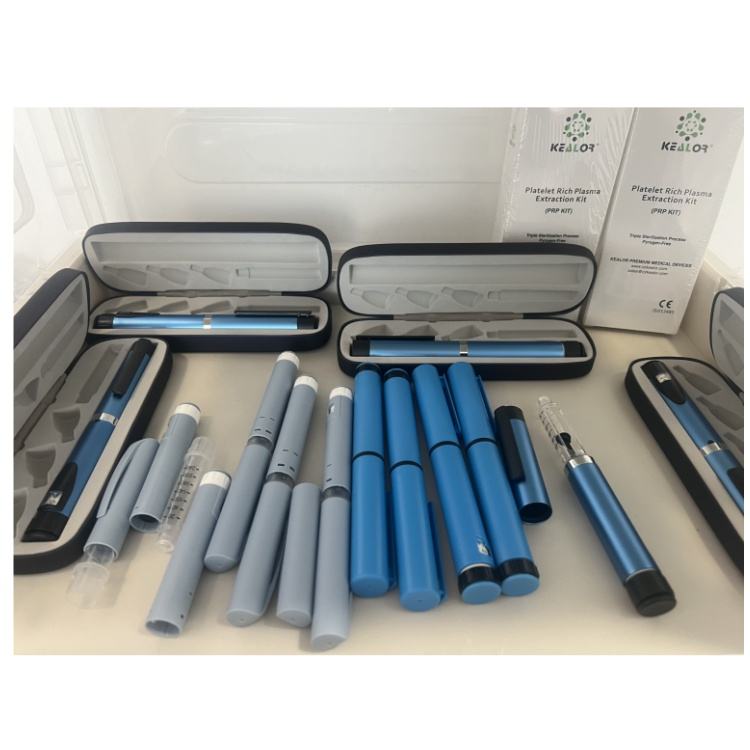
At its core, a peptide pen is a targeted delivery system designed to apply peptide-rich serums directly into the skin with precision. Think of it like a fine-tip marker, but instead of ink, it delivers biologically active ingredients that communicate with your skin cells.
Now, why does that matter?
Because peptides are not just passive moisturizers. They are cellular messengers. Imagine your skin as a construction site. Over time, the workers (your skin cells) get lazy or confused. Peptides step in like a project manager, telling those workers: “Hey, produce more collagen. Repair that damage. Tighten things up.”
Compared to traditional creams, which sit mostly on the surface, a peptide pen is designed to enhance absorption and precision, making it better and more effective for targeted anti-aging treatments. Compared to injectables, it’s less invasive, less expensive, and far less intimidating.
So no, it’s not just another gadget. It’s more like a bridge between skincare and clinical treatment—a middle ground that’s gaining serious attention.
Aging doesn’t happen overnight. It’s more like a slow fade than a sudden crash. But if you’ve ever looked in the mirror and thought, “Wait… when did that happen?”, you’re not alone.
Let’s break it down.
Your skin is still producing collagen like a machine. Everything is firm, plump, and glowing. But beneath the surface, subtle changes begin. Collagen production starts to decline by about 1% per year.
This is when the first visible signs show up—crow’s feet, faint forehead lines, slight dullness. Compared to your 20s, your skin is already less elastic and slower to repair.
Now things get more noticeable. Skin starts to sag. Volume decreases. Compared to earlier decades, your skin feels thinner, weaker, and less resilient.
This is where deeper wrinkles, dryness, and significant sagging occur. Collagen and elastin levels drop dramatically. Compared to younger skin, your face may look less defined and more fragile.
Here’s the key insight:
Aging isn’t just about wrinkles—it’s about communication breakdown in your skin. Cells stop responding effectively.
And that’s exactly where peptide pens come in.
Imagine trying to water a plant by spraying mist into the air. Some of it lands, sure—but a lot is wasted. That’s how traditional skincare works.
Now imagine using a drip irrigation system. Precise. Efficient. Targeted.
That’s what a peptide pen does.
Peptides like signal peptides stimulate collagen production. Compared to creams, which act slowly, a peptide pen delivers ingredients faster and deeper, making it more effective over time.
Firmness depends on collagen and elastin. A peptide pen helps activate fibroblasts—the cells responsible for these proteins. Compared to passive skincare, this is stronger stimulation with better results.
By encouraging cell turnover, peptides help smooth the skin. Compared to exfoliants, this approach is gentler yet more sustainable.
Peptides improve circulation and cellular activity. Compared to brightening creams, results may be slower initially but longer-lasting.
Here’s where it really shines: precision. You can apply it directly to problem areas—crow’s feet, smile lines, forehead wrinkles. Compared to all-over creams, this is more efficient and less wasteful.
Let’s be honest—skincare often feels like a trade-off.
Creams: easy but slow
Injectables: fast but invasive
So where does a peptide pen fit?
Creams are like sending a letter through regular mail. It eventually gets there—but slowly and not always effectively.
A peptide pen? That’s express delivery.
Better absorption
Faster visible results
Less product waste
Injectables (like Botox or fillers) are powerful, no doubt. But they come with:
Higher cost
Risk of side effects
Downtime
A peptide pen is less invasive, lighter on the skin, and more affordable. It won’t deliver instant dramatic results like injectables, but it offers gradual, natural-looking improvements.
Think of a peptide pen as the middle ground:
More effective than creams
Safer and less extreme than injections
That balance is exactly why it’s becoming so popular.
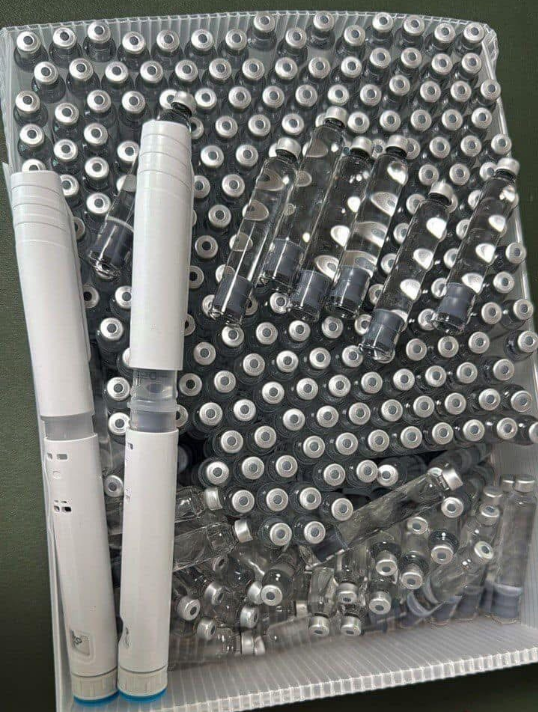
Using a peptide pen isn’t complicated—but doing it right makes all the difference.
Always begin with a clean face. Think of it like painting a wall—you wouldn’t paint over dirt.
Load your pen or apply serum to the tip. Focus on areas like:
Forehead
Under eyes
Nasolabial folds
Use light pressure. This isn’t a power tool—it’s precision work. Compared to aggressive treatments, this method is gentler and safer.
Give your skin time to drink it in. Avoid layering too many products immediately.
Seal everything in with a moisturizer and always use sunscreen. Peptides work best when your skin is protected.
Most users see better results using it 2–3 times per week, compared to daily creams which often require constant application.
Not all peptides are created equal. Choosing the right ones can make your results better, faster, and more noticeable.
These tell your skin to produce more collagen. Think of them as the “builders.”
They deliver essential minerals like copper. Compared to basic peptides, these are stronger and more multifunctional.
These relax facial tension, similar (but weaker) compared to Botox. They’re less invasive but also less dramatic.
These slow down collagen breakdown. Compared to antioxidants, they’re more targeted in preserving structure.
Look for combinations. A formula with multiple peptides is often more effective than a single-ingredient product.
Let’s manage expectations—because this is where many people get it wrong.
Skin feels smoother and more hydrated. But don’t expect miracles yet.
Fine lines start to soften. Compared to creams, this is faster visible improvement.
Noticeable firmness and improved texture. This is where peptide pens really show their value.
Instant wrinkle removal
Dramatic lifting overnight
Results equal to surgery
Compared to injectables, results are slower but more natural.
Even the best tool can fail if used incorrectly.
More pressure doesn’t mean better results. It can irritate your skin.
Skipping sessions slows progress. Compared to consistent routines, results become weaker and less noticeable.
Using low-quality peptides is like fueling a sports car with cheap gas.
This is a big one. UV damage can undo all your progress—faster than you think.
Patience isn’t optional here—it’s required.
Feature | Peptide Pen | Creams | Injectables | Microneedling Devices |
|---|---|---|---|---|
Effectiveness | Medium to High | Low to Medium | Very High | High |
Speed of Results | Moderate | Slow | Fast | Moderate |
Cost | Moderate | Low | High | Moderate |
Invasiveness | Low | None | High | Medium |
Risk Level | Low | Very Low | Medium to High | Medium |
Precision | High | Low | High | Medium |
Compared to creams, peptide pens are stronger and more targeted.
Compared to injectables, they are safer, lighter, and more affordable.
Compared to microneedling, they are less aggressive but easier to use.
So, does the peptide pen actually deliver?
Short answer: Yes—but with realistic expectations.
It’s not magic. It won’t replace surgical procedures or high-strength injectables. But compared to traditional skincare, it’s a significant upgrade.
Think of it like upgrading from a bicycle to an electric bike. You’re still doing the work—but it’s faster, easier, and more efficient.
For people who want:
Better results than creams
Less risk than injectables
A practical, at-home solution
…the peptide pen hits a sweet spot that’s hard to ignore.

Question | Answer |
|---|---|
What is a peptide pen used for? | It’s used to deliver peptide-rich serums into the skin to reduce wrinkles, improve firmness, and enhance overall skin quality. |
Is a peptide pen better than creams? | Yes, compared to creams, it offers better absorption and faster results, though it requires more effort. |
Is it safer than injectables? | Generally yes. It’s less invasive, has fewer side effects, and doesn’t require downtime. |
How long does it take to see results? | Most users notice changes within 3–8 weeks, with optimal results around 12 weeks. |
Can anyone use a peptide pen? | Most adults can, but people with sensitive skin or medical conditions should consult a professional first. |
Are there side effects? | Mild redness or irritation can occur, but compared to injectables, side effects are minimal. |
How often should I use it? | Typically 2–3 times per week for best results. |
Is it worth the cost? | Compared to expensive treatments, it’s more affordable while still offering noticeable benefits. |


