
Views: 0 Author: Site Editor Publish Time: 2026-06-03 Origin: Site


If you’ve been diving into the world of advanced skincare, wound healing, or regenerative medicine, chances are you’ve stumbled across the term “peptide pen.” It sounds futuristic—almost like something out of sci-fi—but it’s very real, and it’s changing how we think about healing and skin repair.
So what exactly is a peptide pen? Is it hype, or is it genuinely better, faster, and stronger compared to traditional methods? And more importantly—should you even consider using one?
Let’s break it all down in a way that actually makes sense.
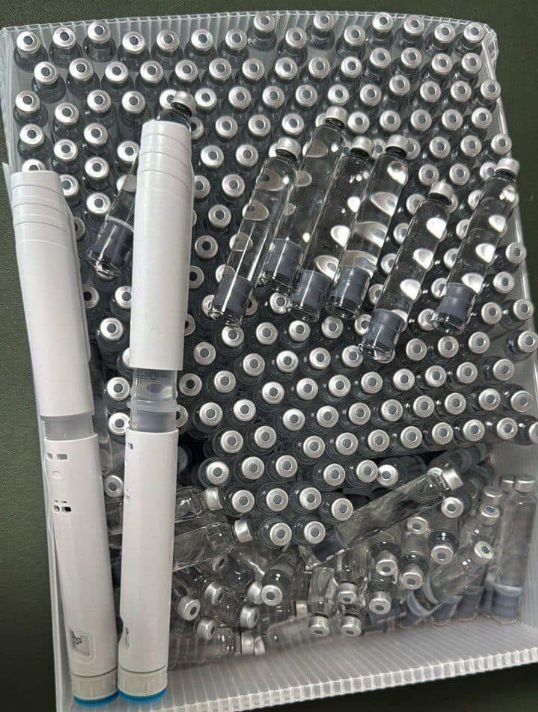
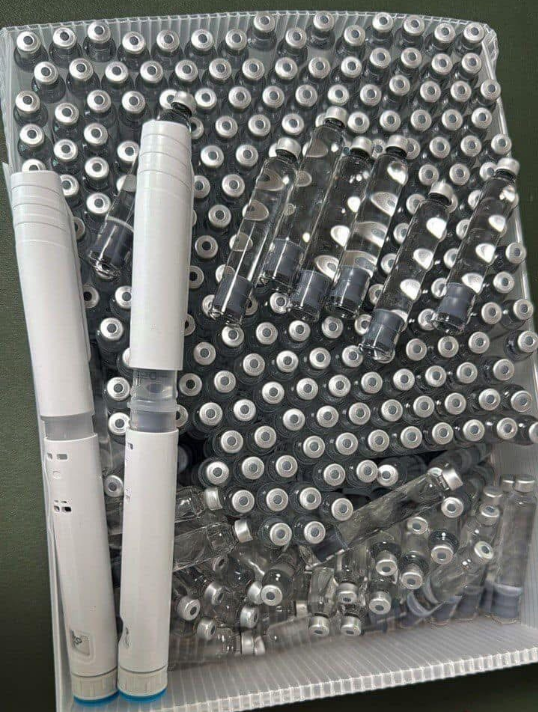
A peptide pen is essentially a precision delivery device designed to apply bioactive peptides directly to the skin. Think of it like a high-tech marker for healing, where instead of ink, you’re delivering microscopic signaling molecules that tell your skin what to do.
Peptides are short chains of amino acids—the building blocks of proteins. But here’s the twist: they don’t just build things; they communicate instructions.
Imagine your skin as a construction site:
Collagen = bricks
Elastin = rubber bands
Cells = workers
Peptides = the foreman yelling instructions
Without peptides? The workers just stand around confused.
Compared to creams or serums, a peptide pen is:
More targeted – delivers peptides exactly where needed
Faster acting – bypasses some surface barriers
More efficient – less product waste
But let’s be honest—it’s not magic. It’s just smart delivery, which in skincare can make all the difference.

Healing isn’t random. It follows a biological roadmap, often called the wound healing cascade.
Phase | What Happens | Where Peptides Help |
|---|---|---|
Hemostasis | Blood clot forms | Minimal role |
Inflammation | Immune cleanup crew arrives | Reduce excessive inflammation |
Proliferation | New tissue forms | Major peptide activity |
Remodeling | Skin strengthens | Boost collagen and elasticity |
During the proliferation phase, your body is basically rebuilding from scratch. This is where peptides shine.
They:
Signal fibroblasts to produce collagen faster
Promote angiogenesis (new blood vessels)
Reduce inflammatory damage
Compared to traditional wound care like antiseptics or dressings, peptides are more intelligent, because they don’t just protect—they actively accelerate healing.
If traditional wound care is like putting up caution tape around a construction zone, peptides are the architect and contractor showing up with a blueprint.
Let’s get practical. Why would someone choose a peptide pen over conventional methods?
Compared to basic ointments:
Peptide pens can stimulate cellular repair directly
Healing may feel faster and more complete
Unlike creams that spread everywhere:
A peptide pen targets exact micro-areas
Ideal for scars, cuts, or specific lesions
Traditional care protects. Peptides:
Actively boost collagen synthesis
Result in stronger, more resilient skin
Compared to untreated wounds:
Peptides help regulate scar tissue formation
Skin appears smoother and more uniform
Serums can be:
Less effective due to poor absorption
More expensive long-term due to waste
Peptide pens are often:
More efficient
Potentially more cost-effective over time
No tool is perfect.
Disadvantages:
Can be more expensive upfront
Requires proper technique
Not all products are clinically validated
Possible skin irritation if overused
So yes—it’s better in many ways, but not universally superior in every scenario.
Here’s where things get really interesting.
Peptide pens aren’t just for cuts—they’re becoming popular in:
Anti-aging routines
Scar revision therapies
Post-procedure recovery
Let’s be real—nothing truly reverses aging. But peptides can:
Improve skin elasticity
Reduce appearance of fine lines
Boost hydration indirectly
Compared to retinoids:
Peptides are often gentler
But may be less aggressive in results
Scars are tricky. They’re like “memory marks” your skin doesn’t want to forget.
Peptides help by:
Remodeling collagen structure
Softening rigid scar tissue
Improving pigmentation over time
Compared to laser treatments:
Peptide pens are less invasive
But also slower in dramatic results
People with sensitive skin
Those avoiding aggressive procedures
Individuals seeking gradual improvement
Let’s walk through this like you’re actually doing it.
Always start with clean skin. Think of this as prepping the canvas.
Make sure:
It’s fresh
Properly stored
Suitable for your skin type
Gently glide or tap:
Don’t press too hard
Focus on the target area
Give it time—don’t rush into applying other products.
Use a gentle moisturizer to lock everything in.
Less is often better—overuse can irritate skin
Consistency beats intensity
Avoid mixing with harsh actives initially
Let’s shift gears into the science.
Peptides bind to receptors on cells and:
Trigger gene expression
Stimulate protein synthesis
Regulate inflammatory pathways
Mechanism | Effect |
|---|---|
Collagen stimulation | Stronger skin structure |
Anti-inflammatory signaling | Reduced redness |
Cell migration | Faster wound closure |
Angiogenesis | Better blood supply |
Studies in dermatology and regenerative medicine indicate:
Certain peptides improve wound healing rates
Some reduce scar formation
Others enhance skin elasticity
But here’s the honest truth:
Evidence is promising—but not always conclusive.
Compared to pharmaceuticals:
Peptides are often safer
But sometimes less predictable
So… is the peptide pen worth it?
If you’re expecting miracles overnight—nope.
But if you’re looking for:
Smarter healing
Better skin quality over time
A less invasive alternative
Then yes, it can absolutely deliver.
Compared to traditional methods:
Better for targeted healing
Faster in some cases
Stronger in collagen support
But more expensive and technique-sensitive
Think of it like upgrading from a basic toolkit to a precision instrument.
Question | Answer |
|---|---|
What is a peptide pen used for? | It’s used for targeted delivery of peptides to improve wound healing, reduce scars, and support anti-aging. |
Is a peptide pen better than creams? | Compared to creams, it’s often more precise and faster, but also more expensive and technique-dependent. |
Are there side effects? | Possible irritation, redness, or sensitivity—especially with overuse. |
How long does it take to see results? | Results vary, but most users notice changes over weeks, not days. |
Can anyone use it? | Generally yes, but people with sensitive skin or medical conditions should consult a professional. |
Is it safe for daily use? | Not always—frequency depends on the peptide type and skin condition. |
Does it replace medical treatment? | No. It complements care but doesn’t replace professional medical treatment. |


