
Views: 0 Author: Site Editor Publish Time: 2026-06-02 Origin: Site


Before we even talk about peptide pens, we need to understand what we’re trying to fix.
Think of your skin barrier like a brick wall.
The bricks = skin cells
The mortar = lipids (ceramides, cholesterol, fatty acids)
When everything is intact, your skin is:
Smooth
Hydrated
Resilient
But when that wall starts to crack?
That’s when trouble begins.
A damaged barrier leads to:
Increased dryness
Sensitivity
Redness
Breakouts
Faster aging
And most importantly: moisture escapes faster than it should.
This is where Transepidermal Water Loss (TEWL) comes in—a fancy term for how much water evaporates from your skin.
Higher TEWL = weaker barrier.
Compared to previous generations, our skin today is under attack:
Over-exfoliation (hello acids and retinoids)
Pollution
Stress
Harsh cleansers
Compared to a simple moisturizer routine, modern skincare is stronger—but also riskier.
So naturally, people are looking for faster, more effective repair tools.
Enter: the peptide pen.

So what exactly is this thing?
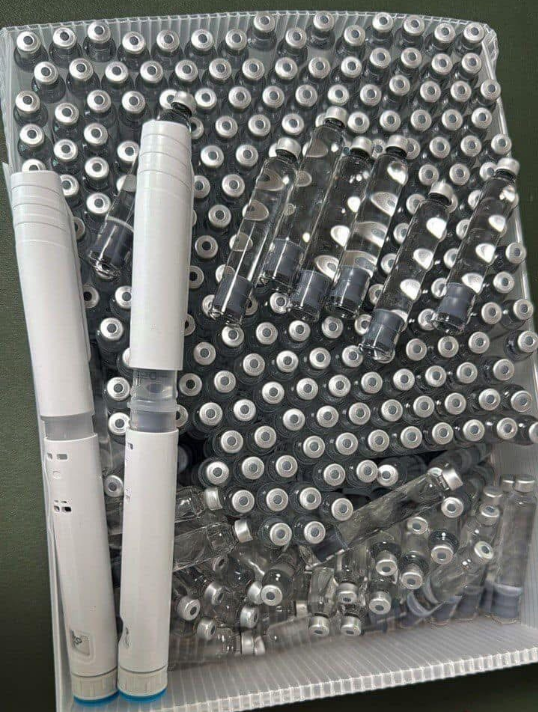
A peptide pen is a skincare device combined with peptide-infused formulations, designed to deliver active ingredients deeper into the skin.
Most peptide pens work using:
Micro-needling (tiny needles)
Nano-needling (even smaller, less invasive tips)
Vibrational infusion technology
Compared to traditional topical creams, these methods push ingredients deeper and faster into the skin.
Peptides are short chains of amino acids—basically the building blocks of proteins like collagen and elastin.
Common peptides in these pens include:
Signal peptides (boost collagen)
Carrier peptides (deliver minerals)
Neurotransmitter peptides (relax fine lines)
Here’s the key insight:
Using peptides alone = helpful
Using a device alone = helpful
But combining both?
Potentially stronger results.
Compared to regular serums, peptide pens are:
Faster-acting
More targeted
More intensive
But also:
More expensive
Slightly riskier if misused
Now we get to the real question.
Does it actually work?
Research shows peptides can:
Stimulate collagen production
Support skin repair
Improve elasticity
Some peptides also help regulate inflammation—which is crucial for barrier recovery.
Micro-needling (often used in peptide pens) has been shown to:
Increase collagen synthesis
Enhance product absorption
Trigger wound-healing responses
A peptide pen works through controlled micro-injury.
So ironically:
It temporarily disrupts the barrier
Then encourages it to rebuild stronger
Think of it like going to the gym:
You break muscle fibers
They rebuild stronger
Compared to creams:
More effective for deep repair
Faster visible results
Compared to professional treatments:
Less powerful but more convenient
Less expensive but also less controlled
Yes, peptide pens can strengthen the skin barrier—but:
Only with proper use
Only over time
Not instantly
Let’s talk hydration.
Because at the end of the day, a strong barrier = less water loss.
TEWL (Transepidermal Water Loss) measures how much water escapes your skin.
Lower TEWL = better hydration retention.
Initially:
TEWL may increase (due to micro-injury)
But over time:
Barrier improves
TEWL decreases
Skin holds moisture better
Method | Immediate Hydration | Long-Term Barrier Repair | TEWL Reduction |
|---|---|---|---|
Moisturizer | Better (instant) | Weaker | Moderate |
Ceramide Cream | Stronger | Strong | Good |
Peptide Pen | Slower start | Stronger over time | Better (long-term) |
Peptide pens are not the fastest fix.
Compared to a moisturizer:
Slower immediate results
But potentially stronger long-term benefits
This is where things can go wrong—or right.
Using a peptide pen incorrectly can actually damage your skin further.
So let’s do this properly.
Avoid harsh cleansers.
Compared to foaming cleansers, use:
Hydrating cleansers
Low pH formulas
Non-negotiable.
Infection risk is real.
Choose a formula with:
Signal peptides
Hydrating ingredients
Don’t press too hard
Move evenly
Avoid overworking one area
This is critical.
Use:
Barrier creams
Sunscreen
Avoid:
Retinoids
Acids
Vitamin C (temporarily)
Beginners: once every 2–4 weeks
Advanced users: once every 1–2 weeks
Compared to daily skincare, this is more intensive but less frequent.
Not everyone should jump on this trend.
People with damaged skin barriers
Those with early signs of aging
Individuals seeking faster repair compared to creams
Active acne
Skin infections
Extremely sensitive skin
People prone to hyperpigmentation
Compared to basic skincare, peptide pens are:
Stronger—but riskier
Faster results
Deeper penetration
Stronger collagen stimulation
More expensive
Requires skill
Risk of irritation
Let’s say you’re not ready for a device.
Good news—you have options.
Better for beginners
Less risky
Slower results
Strengthens barrier
Reduces inflammation
Lightweight
Easier daily use
Option | Ease of Use | Cost | Effectiveness |
|---|---|---|---|
Peptide Pen | Harder | More expensive | Stronger |
Ceramide Cream | Easier | Less expensive | Moderate |
Niacinamide | Easy | Affordable | Good |
Compared to alternatives:
Peptide pen = stronger but more complex
Creams = simpler but slower
So… is the peptide pen worth it?
Here’s the honest answer:
Yes—but not for everyone.
If used correctly:
It can strengthen your skin barrier
It can reduce moisture loss over time
It can deliver faster results compared to topical skincare
But if used incorrectly?
It can damage your skin
Increase sensitivity
Worsen barrier issues
Think of it like a power tool.
Compared to a simple moisturizer:
More powerful
More efficient
But also more dangerous if misused

Question | Answer |
|---|---|
What is a peptide pen? | A device that delivers peptide-infused formulas deeper into the skin using micro or nano-needling. |
Is it safe? | Yes, when used correctly—but improper use can cause irritation or damage. |
Does it hurt? | Slight discomfort, but less painful compared to professional microneedling. |
How often should I use it? | Every 1–4 weeks depending on experience and skin tolerance. |
Is it better than creams? | Stronger and faster results, but more complex and expensive. |
Can it fix a damaged skin barrier? | Yes, over time—but not instantly. |
Does it reduce moisture loss? | Yes, by improving barrier function and lowering TEWL over time. |
Who should avoid it? | People with active acne, infections, or very sensitive skin. |
What should I use after treatment? | Barrier creams, sunscreen, and gentle hydration products. |
Is it worth the investment? | Depends on your goals—better for advanced users than beginners. |


