
Views: 0 Author: Site Editor Publish Time: 2026-06-01 Origin: Site


Let’s be honest—aging skin doesn’t sneak up on you. One day your face looks smooth and firm, and the next you’re noticing fine lines, dullness, and that subtle “collapse” in structure. What changed?
The answer lies in collagen—your skin’s invisible scaffolding. And now, a new tool is gaining attention in skincare circles: the peptide pen. But is it hype, or is it actually a smarter, faster, and more effective way to rebuild your skin compared to traditional creams?
Let’s unpack everything—science, results, comparisons, and real-world usage—in a way that actually makes sense.
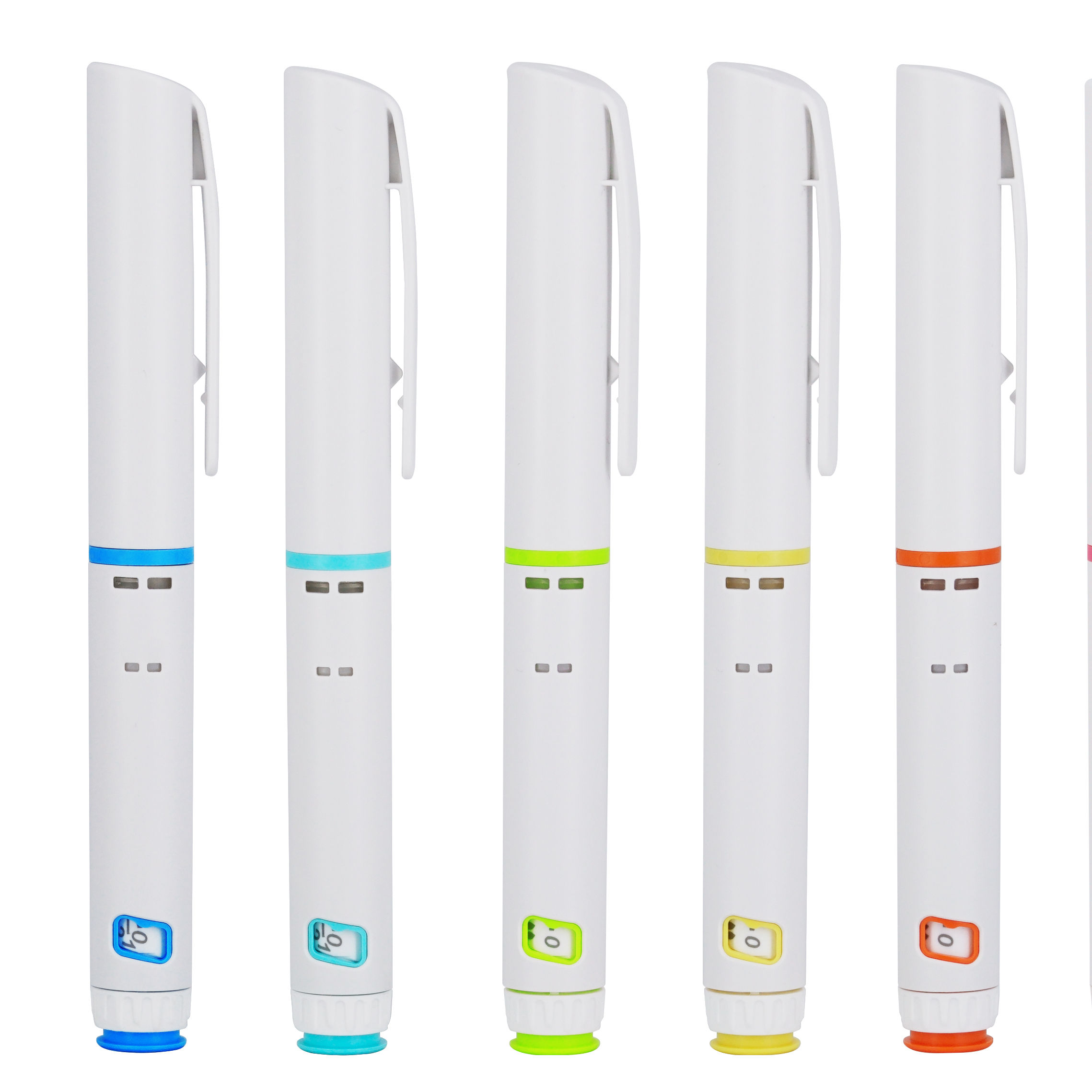
Think of your skin like a mattress. When it’s new, it’s firm, bouncy, and supportive. That structure? It’s largely built on collagen.
Collagen is the most abundant protein in your body, acting like a framework that holds everything together. It keeps your skin tight, elastic, and resilient. But here’s the catch: starting in your mid-20s, collagen production slows down. By your 40s? You’re losing it faster than your body can replace it.
So what causes this “collapse”?
Aging – natural decline in fibroblast activity
UV exposure – breaks down collagen fibers faster
Lifestyle factors – smoking, stress, poor diet
Environmental damage – pollution weakens skin structure
Imagine a building where the steel beams are slowly removed. Eventually, the walls start to sag. That’s exactly what happens to your skin.
Compared to youthful skin, aging skin becomes:
Weaker (less structural support)
Thinner (less density)
Less elastic (slower bounce-back)
And that’s where peptides come in—especially in a more advanced delivery system like a peptide pen.
So what is a peptide pen, really?
At its core, a peptide pen is a device designed to deliver peptides deeper into the skin, compared to traditional creams that mostly sit on the surface.
Peptides themselves are short chains of amino acids—basically tiny messengers that tell your skin to produce more collagen.
But here’s the problem with regular skincare:
Most creams? They barely penetrate beyond the outermost layer.
That’s like trying to water a tree by spraying mist on its leaves.
A peptide pen, on the other hand, works more like a targeted irrigation system—delivering active ingredients closer to where collagen is actually produced.
Feature | Peptide Pen | Topical Creams |
|---|---|---|
Penetration Depth | Deeper (dermal layer) | Surface-level |
Speed of Results | Faster | Slower |
Effectiveness | Stronger collagen stimulation | Mild support |
Cost | More expensive upfront | Less expensive |
Convenience | Requires technique | Easy daily use |
So yes, creams are easier and cheaper—but peptide pens are often faster, stronger, and more targeted.
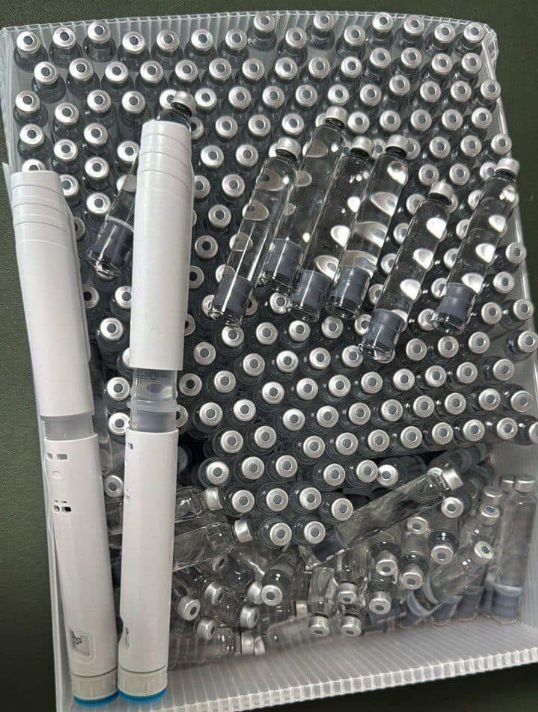
Let’s break down the magic without making it feel like a biology lecture.
A peptide pen boosts collagen in three key steps:
Your skin’s outer layer is like a security guard—it blocks most ingredients.
The peptide pen bypasses that barrier by delivering peptides deeper, where fibroblasts live (the cells responsible for collagen production).
Compared to creams, this is more direct and more efficient.
Once inside, peptides act like text messages to your skin cells:
“Hey, we need more collagen here.”
Fibroblasts respond by increasing collagen and elastin production.
This is faster and stronger stimulation compared to passive topical products.
Over time, your skin starts to:
Look firmer
Feel thicker
Appear smoother
Fine lines soften because the underlying structure is rebuilt—not just temporarily plumped.
Compared to fillers, this is a more natural and gradual improvement, but less dramatic in the short term.
Let’s talk results—because that’s what really matters, right?
A peptide pen isn’t magic, but it’s not snake oil either.
Fine lines around the eyes
Early forehead wrinkles
Smile lines (nasolabial folds, mild cases)
Skin texture and roughness
Deep wrinkles (compared to fillers, less dramatic)
Severe sagging (compared to surgery, less effective)
Instant transformation
Think of it like going to the gym:
You won’t get abs overnight
But with consistency, the results are real and lasting
Compared to creams, results are:
Faster (weeks instead of months)
Stronger (deeper skin remodeling)
Compared to injectables:
Safer (non-invasive or minimally invasive)
More gradual
Less expensive over time
Let’s put things side by side—because context matters.
Treatment | Speed | Cost | Effectiveness | Invasiveness |
|---|---|---|---|---|
Peptide Pen | Moderate | Medium | Strong (natural boost) | Low |
Retinol Creams | Slow | Low | Moderate | None |
Botox | Fast | High | Strong (muscle relaxation) | Medium |
Fillers | Instant | High | Very strong (volume) | Medium |
Laser Treatments | Moderate | High | Strong (resurfacing) | High |
Better than creams for deep collagen stimulation
Less expensive than repeated fillers over time
Safer and lighter compared to lasers
But yes—it’s not the fastest or most dramatic option.
It sits right in the “sweet spot” between effectiveness and safety.
Using a peptide pen isn’t complicated—but doing it wrong can reduce results (or irritate your skin).
Cleanse your skin thoroughly
Apply peptide serum (designed for the pen)
Use the device in controlled motions
Focus on problem areas (wrinkles, fine lines)
Finish with soothing and hydrating products
Use it consistently (weekly or biweekly)
Avoid overuse—it’s not “more is better”
Pair with sunscreen (collagen protection is critical)
Compared to daily creams, it requires more effort, but delivers faster and stronger results.
Not everyone is an ideal candidate—and that’s important to understand.
People in their late 20s to 50s
Early signs of aging
Those wanting natural collagen stimulation
Users looking for a middle ground between creams and injectables
Sensitive or inflamed skin
Active acne or infections
Those expecting instant, dramatic results
Compared to aggressive treatments, peptide pens are gentler, but still require caution.
The peptide pen isn’t just another skincare trend—it’s part of a broader shift toward smarter, targeted skin treatments.
It sits comfortably between:
Basic skincare (creams)
Advanced procedures (Botox, fillers)
Is it better? In many cases—yes.
Better than creams for depth and effectiveness
Less expensive than injectables over time
Safer and more natural than invasive options
But like anything in skincare, it’s not a miracle. It’s a tool—and how you use it determines your results.
Question | Answer |
|---|---|
What is a peptide pen used for? | A peptide pen is used to deliver collagen-boosting peptides deeper into the skin, helping reduce wrinkles and improve firmness. |
Is a peptide pen better than creams? | Yes, compared to creams, it is more effective because it penetrates deeper and works faster, but it requires more effort and cost. |
How long does it take to see results? | Most users see visible improvements within 3–6 weeks, faster compared to traditional skincare. |
Is it safe to use at home? | Generally yes, but proper technique is essential. Compared to professional treatments, it is safer but less powerful. |
Does it hurt? | Mild discomfort may occur, but it’s usually less painful compared to microneedling or injections. |
Can it replace Botox or fillers? | Not entirely. It provides more natural, gradual results compared to the instant effects of injectables. |
How often should I use it? | Typically once a week or every two weeks, depending on skin tolerance. |
Are there side effects? | Possible redness or irritation, especially with overuse. Compared to lasers, side effects are lighter and shorter-lasting. |


