
Views: 0 Author: Site Editor Publish Time: 2026-05-22 Origin: Site


If you’ve been researching peptide therapy, chances are you’ve stumbled across the term peptide pen—and immediately hit a wall of confusion. Daily injections? Weekly doses? Cycling? It can feel like trying to follow a recipe where everyone insists their version is the “only correct one.”
Here’s the truth: there’s no universal schedule that works for everyone. Your peptide pen routine is less like a rigid prescription and more like tuning a musical instrument—subtle adjustments can make a huge difference.
Let’s break it all down in a way that actually makes sense.
When people first start using a peptide pen, they often assume more frequent injections = better results. That sounds logical, right? If something works, doing it more often should work better.
Not exactly.
Think of your body like a sponge. Pour water too quickly, and it spills over. Give it time, and it absorbs everything efficiently. Peptides work in a similar way—they rely on receptor sensitivity, biological timing, and your body’s natural rhythms.
Daily injections are often faster-acting and provide more consistent blood levels
Weekly injections tend to be longer-lasting and more convenient
Some peptides are designed for pulsatile release, meaning less frequent dosing can actually be better
Compared to something like insulin (which requires precise timing), peptide pens are often more flexible but also less predictable. That flexibility can be a strength—or a weakness—depending on how you use it.
More frequent injections can:
Desensitize receptors (making results weaker over time)
Increase side effects
Become unnecessarily expensive
So yes—daily isn’t always better. And surprisingly, once a week isn’t always worse.
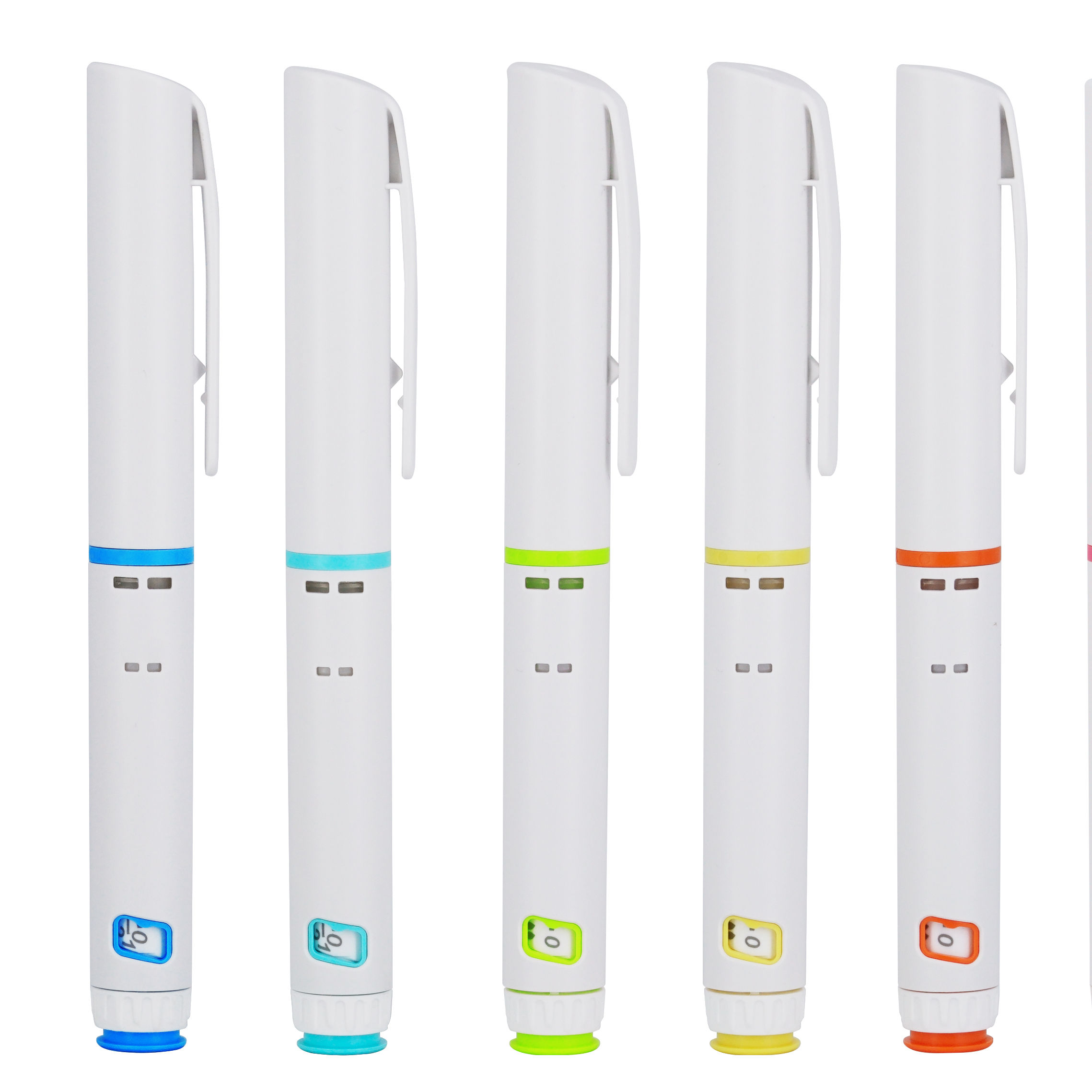
Let’s get practical. Most peptide pen users fall into one of three scheduling patterns.
Schedule Type | Frequency | Best For | Advantages | Disadvantages |
|---|---|---|---|---|
Daily Micro-Dosing | 5–7 times/week | Fat loss, recovery | More stable levels, faster feedback | Requires discipline, more injections |
Alternate Day | 3–4 times/week | Hormonal balance | Easier to maintain, fewer injections | Slightly less stable results |
Weekly Dosing | 1 time/week | Longevity, convenience | Simpler, less intrusive | Slower results, less control |
You’re juggling work, family, and barely have time to breathe. Daily injections? Not realistic.
A weekly peptide pen schedule might be better here—not because it’s biologically superior, but because consistency beats perfection.
Trying to optimize recovery and muscle growth? Daily or alternate-day dosing might be faster and stronger in terms of results.
But it also requires more commitment.
If you’re new, starting with a less frequent schedule is often safer and lighter on your system. You can always increase frequency later.
Let’s be honest—most people don’t fail because their peptide pen doesn’t work. They fail because they don’t stick to the schedule.
Consistency is where the real magic happens.
Imagine going to the gym:
Working out daily for a week, then quitting → poor results
Working out 3 times/week consistently → strong results
Peptides behave the same way.
Blood levels fluctuate
Hormonal signaling becomes inconsistent
Results slow down—or stall completely
Compared to a steady schedule, inconsistent use is weaker, slower, and often more frustrating.
It’s better to choose a schedule you can stick to than an “ideal” one you’ll abandon.
Not all goals are created equal—and neither are peptide pen schedules.
Goal | Recommended Frequency | Why It Works | Trade-Off |
|---|---|---|---|
Fat Loss | Daily or 5x/week | Keeps metabolism active | More injections |
Muscle Growth | Daily or alternate day | Supports recovery cycles | Requires discipline |
Anti-Aging | 1–3x/week | Long-term signaling | Slower visible results |
Injury Recovery | Daily (short-term) | Faster tissue repair | Temporary intensity |
A customized schedule is always better than a generic one. It’s like wearing a tailored suit versus something off the rack—both work, but one fits perfectly.
Beginners
Older adults
People with underlying conditions
For these groups, starting slower and lighter is usually the smarter move.
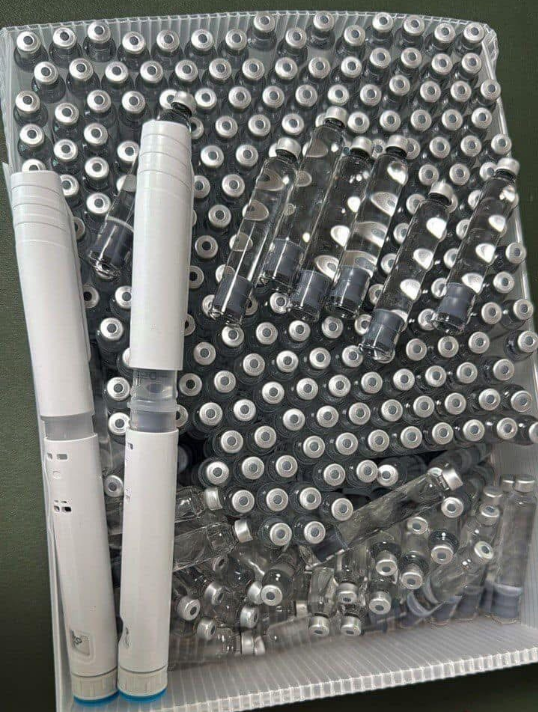
Sometimes your body gives subtle hints that your schedule isn’t quite right.
Results have plateaued
Side effects are increasing
Energy levels fluctuate wildly
Sleep quality worsens
Plateau → You might need more frequent dosing
Side effects → Possibly too much or too often
Fatigue → Timing may be off
Instead of making drastic changes, think of it like adjusting a thermostat:
Small tweaks
Monitor results
Adjust again if needed
Compared to aggressive changes, gradual adjustments are safer and more effective.
There’s a lot of misinformation floating around. Let’s clear the air.
Not always. Sometimes less is more. Overloading your system can actually slow progress.
Compared to daily dosing, weekly might seem slower—but for certain peptides, it’s actually stronger due to sustained release.
It does. Especially over time. Consistency compounds results.
This is like saying everyone should eat the same diet. It just doesn’t work that way.
Creating your peptide pen schedule doesn’t have to be complicated.
Step | Action | Why It Matters |
|---|---|---|
Step 1 | Define your goal | Determines frequency |
Step 2 | Choose a starting schedule | Keeps things simple |
Step 3 | Track your response | Data beats guessing |
Step 4 | Adjust gradually | Avoids side effects |
Step 5 | Stay consistent | Ensures results |
Let’s say your goal is fat loss:
Start: 5x per week
Track: energy, weight, sleep
Adjust: increase or decrease frequency
Calendar apps
Reminder alarms
Habit trackers
Compared to relying on memory, these tools make your routine stronger and more reliable.
Here’s the bottom line: your peptide pen schedule doesn’t need to be perfect—it needs to be consistent.
It’s tempting to chase the “best” protocol, the fastest results, the strongest outcomes. But in reality, the people who succeed are the ones who show up, follow their plan, and make smart adjustments along the way.
Think of it like investing:
Small, consistent deposits → long-term gains
Sporadic, aggressive moves → unpredictable results
So instead of asking, “What’s the perfect schedule?”
Ask yourself, “What schedule can I actually stick to?”
That’s where real progress begins.

Question | Answer |
|---|---|
What is a peptide pen? | A peptide pen is a pre-filled or refillable injection device designed for easy and precise peptide administration. |
Is daily peptide injection better than weekly? | Not necessarily. Daily can be faster, but weekly can be more convenient and sometimes equally effective depending on the peptide. |
Can I miss a dose? | Missing occasionally isn’t catastrophic, but repeated missed doses will weaken results. |
Are peptide pens safe? | Generally safe when used correctly, but improper dosing can increase side effects. Always follow medical guidance. |
How do I choose the right schedule? | Base it on your goal, lifestyle, and how your body responds. Start simple and adjust gradually. |
Do peptide pens have side effects? | Possible side effects include irritation, fatigue, or hormonal fluctuations depending on the peptide used. |
Is a higher dose better? | Not always. Higher doses can lead to diminishing returns and more side effects. |
Who should avoid peptide therapy? | Individuals with certain medical conditions, pregnant women, or those without medical supervision should avoid it. |


