
Views: 0 Author: Site Editor Publish Time: 2026-02-27 Origin: Site


If you’ve been exploring advanced skincare tools lately, chances are you’ve stumbled across the term peptide pen. Maybe you’ve seen it compared to microneedling devices. Maybe someone told you it works better, faster, and stronger than traditional peptide serums. Or maybe you're just wondering: Is this another skincare trend, or is there real science behind it?
Let’s break it down properly.
This guide will walk you through everything — from key indicators of long-term anti-aging to research findings, expected results over 3, 6, and 12 months, whether tolerance develops, and how to build a long-term skincare regimen using a peptide pen effectively.
We’re going deep — but in a way that feels like a conversation, not a textbook.

When we talk about anti-aging, what are we actually measuring?
It’s not just about “looking younger.” That’s vague. Long-term anti-aging has measurable biological indicators. Think of your skin like a house. You don’t just repaint the walls — you reinforce the structure. Peptides work at the structural level.
Below is a structured overview of what dermatologists and researchers typically track when evaluating long-term anti-aging effects.
| Indicator | What It Measures | Why It Matters | Expected Improvement with Peptide Pen |
|---|---|---|---|
| Collagen Density | Amount of collagen fibers in dermis | Determines firmness & elasticity | Gradual increase over 6–12 months |
| Elastin Integrity | Elastic recoil capacity | Reduces sagging | Improved bounce and resilience |
| Dermal Thickness | Skin structural depth | Thicker dermis = stronger barrier | Noticeable after long-term use |
| Wrinkle Depth | Surface line measurement | Visual aging marker | Shallower lines over time |
| TEWL (Transepidermal Water Loss) | Skin barrier strength | Hydration & resilience | Reduced water loss |
| Cellular Turnover Rate | Regeneration speed | Brighter, smoother texture | Faster renewal compared to untreated skin |
Compared to standard topical creams, a peptide pen often delivers peptides deeper, which may result in stronger collagen stimulation. Compared to oral supplements, topical peptide delivery is faster in producing visible surface-level improvements.
But here’s the key: long-term anti-aging isn’t about overnight transformation. It’s about cumulative structural repair.
Peptides are short chains of amino acids — basically tiny messengers. They tell your skin: “Hey, we’re low on collagen. Time to rebuild.”
Some of the most studied cosmetic peptides include:
Palmitoyl Pentapeptide-4
Copper Tripeptide-1
Acetyl Hexapeptide-8
These ingredients are frequently discussed in dermatological research, including studies published in journals like the International Journal of Cosmetic Science and the Journal of Cosmetic Dermatology.
Compared to retinoids, peptides are often less irritating but sometimes slower in dramatic short-term wrinkle reduction. However, peptides can be better tolerated for long-term use, especially in sensitive skin.
Now let’s get technical — but keep it human.
Peptide research has expanded significantly over the past two decades. Multiple studies suggest that consistent topical peptide application improves collagen synthesis markers in vitro and in vivo.
| Study Focus | Duration | Key Findings | Compared to Placebo |
|---|---|---|---|
| Collagen stimulation | 12 weeks | Increased collagen I production | Statistically significant improvement |
| Wrinkle reduction | 6 months | Reduced wrinkle depth by measurable percentage | Better smoothing effect |
| Copper peptide repair | 12 months | Improved dermal thickness | Stronger structural support |
| Skin elasticity | 24 weeks | Improved rebound time | Faster recovery vs untreated |
In several controlled cosmetic trials, peptide-treated skin demonstrated:
Increased collagen density
Reduced wrinkle depth
Improved skin hydration
Better barrier function
Compared to hyaluronic acid alone, peptides stimulate structural repair rather than just hydration. Hyaluronic acid makes skin look plumper faster, but peptides work deeper.
However, let’s be clear: peptides are not as aggressive as prescription retinoids. They are gentler but often slower in visible short-term dramatic changes. That’s the trade-off — comfort vs intensity.
This is where delivery matters.
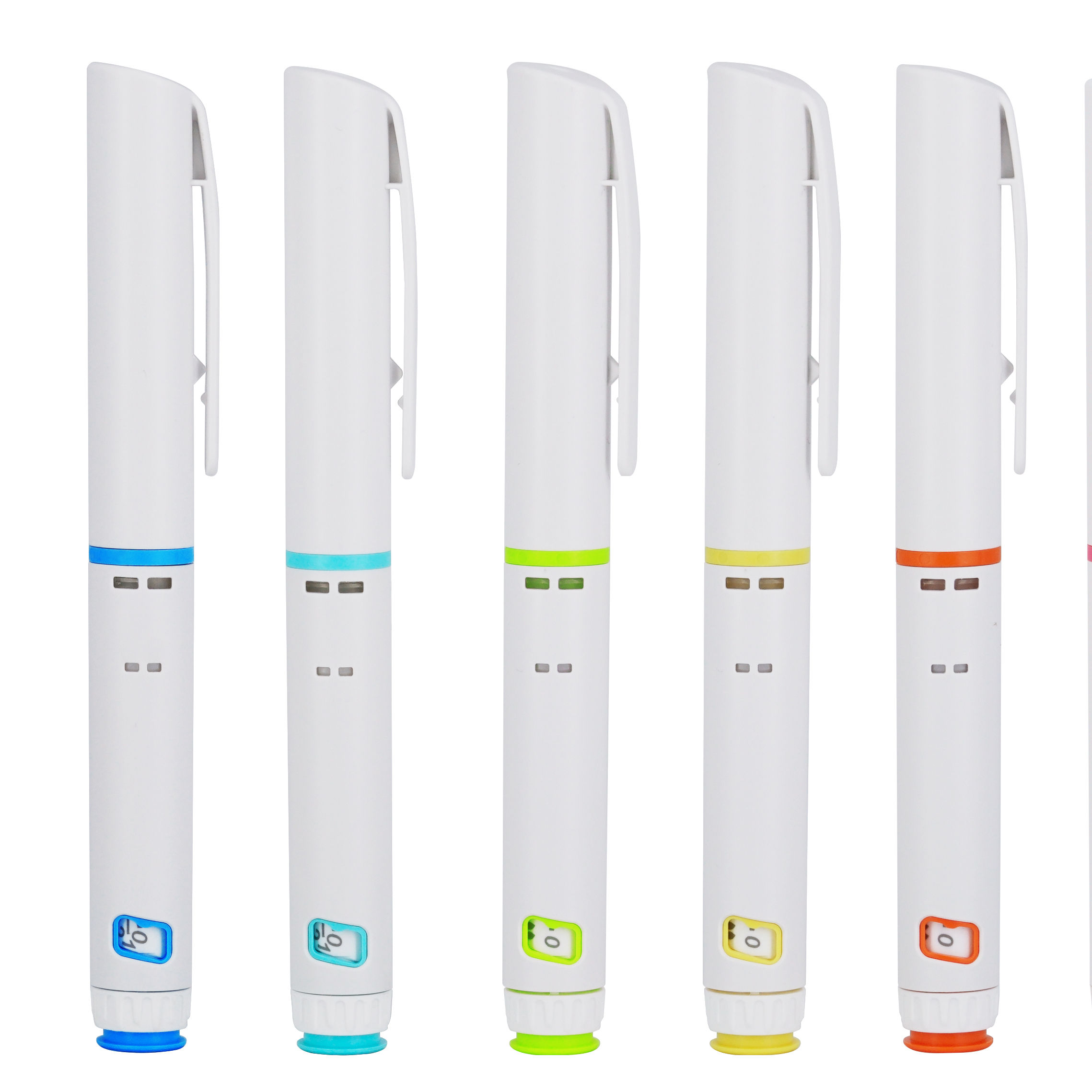
A peptide pen typically enhances transdermal delivery compared to surface creams. Depending on the design (microneedling-assisted or nano-channel technology), penetration may be deeper.
| Factor | Peptide Cream | Peptide Pen |
|---|---|---|
| Absorption Depth | Surface-level | Deeper dermal layers |
| Speed of Results | Moderate | Potentially faster |
| Irritation Risk | Low | Slightly higher if microneedling |
| Cost | Less expensive | More expensive upfront |
| Professional Skill Needed | Minimal | Moderate |
Compared to creams, peptide pens can be stronger and more effective, but also more expensive and slightly higher risk if improperly used.
Let’s talk timeline — because anti-aging is a marathon, not a sprint.
At 12 weeks, you may notice:
Improved hydration
Slight reduction in fine lines
Smoother texture
Brighter tone
Compared to month one, results feel more stable. But deep wrinkles? Not dramatically different yet.
Your skin is laying bricks — collagen remodeling has just begun.
This is where things get interesting.
At 6 months:
Collagen synthesis becomes more measurable
Fine lines appear shallower
Skin feels firmer
Elastic recoil improves
Compared to traditional creams, peptide pens may show stronger structural firmness at this stage.
Many users describe this phase as the “subtle glow-up.” Nothing extreme. But something clearly different.
After one year of consistent use:
Dermal thickness may improve
Wrinkle depth decreases
Skin texture becomes more refined
Long-term elasticity improves
Compared to stopping at 3 months, the 12-month result is significantly better and stronger. Anti-aging compounds work cumulatively.
Think of it like going to the gym. You don’t get strong in 3 weeks. But after a year? People notice.
This is a big concern. Does your skin become “dependent” on peptides?
Short answer: No physiological addiction has been demonstrated in cosmetic peptide research.
Peptides act as signaling molecules. They stimulate natural repair pathways. They do not suppress endogenous production in the way some hormones do.
However, there are nuances:
If you stop using them, benefits may gradually fade.
Your skin returns to its natural aging trajectory.
There’s no evidence of “withdrawal.”
Compared to topical steroids (which can cause rebound effects), peptides are safer long-term.
Tolerance? Not in the classical pharmacological sense. But skin aging continues. So improvements plateau over time.
In simple terms: You won’t get addicted. But you’ll probably want to keep using it because you like the results.
Now we’re getting practical.
You can’t just use a peptide pen randomly and expect miracles.
Morning:
Gentle cleanser
Antioxidant serum (Vitamin C)
Moisturizer
Sunscreen
Night:
Cleanser
Peptide pen session (1–3x weekly depending on intensity)
Barrier repair cream
Compared to aggressive daily microneedling, spaced treatments are safer and better tolerated.
Peptides work well with:
Hyaluronic acid (hydration boost)
Niacinamide (barrier support)
Ceramides (stronger protection)
Be cautious with:
High-strength retinoids (can increase irritation)
Strong exfoliating acids
Compared to layering everything at once, strategic minimalism is better for long-term consistency.
Deeper delivery compared to creams
Potentially faster structural improvement
Stronger collagen stimulation
Long-term firmness support
More expensive upfront
Requires careful hygiene
Slightly higher irritation risk
Not ideal for active acne or infections

| Question | Answer |
|---|---|
| Is a peptide pen better than peptide cream? | It may provide deeper delivery and faster structural improvements, but it’s more expensive and requires proper technique. |
| How often should I use a peptide pen? | Typically 1–3 times per week depending on skin tolerance. |
| Can I combine peptides with retinol? | Yes, but alternate days to reduce irritation. |
| Is it safe for sensitive skin? | Usually yes, compared to stronger treatments, but start slowly. |
| How long before I see results? | Mild improvements at 3 months, stronger results at 6–12 months. |
| Does it cause dependence? | No clinical evidence suggests dependency or tolerance. |
| Who should avoid peptide pens? | Individuals with active infections, open wounds, severe rosacea, or compromised skin barrier. |


