
Views: 0 Author: Site Editor Publish Time: 2026-02-14 Origin: Site


The world of skincare is evolving faster than ever. If serums were the revolution of the 2010s, then the peptide pen is quietly becoming the precision tool of the 2020s. But what exactly is a peptide pen? Is it better compared to traditional creams? Is it stronger compared to sheet masks? And more importantly—how do you use it correctly without wasting product or irritating your skin?
If you’re here, chances are you’re researching before investing. Smart move. Skincare isn’t just about buying expensive formulas—it’s about using them correctly.
Let’s break this down in a structured, practical, and honest way.
Using a peptide pen without preparing your skin is like painting on a dusty wall. Will the paint stick? Maybe. Will it look flawless? Probably not.
A peptide pen is designed to deliver active ingredients deeper compared to regular topical creams. That means your skin barrier needs to be clean, balanced, and ready to absorb. If not, you’re essentially reducing effectiveness by 30–50% (based on dermatological absorption studies referenced by organizations such as World Health Organization discussing transdermal absorption variability).
Compared to a basic moisturizer, a peptide pen works at a more targeted level. It’s stronger in delivery but also less forgiving if your skin isn’t prepared.
Choose a low-pH cleanser (around 5.5). High-alkaline cleansers disrupt the skin barrier, making irritation more likely.
Compared to soap bars, liquid pH-balanced cleansers are:
Better for barrier protection
Less drying
More compatible with peptide absorption
Exfoliating 1–2 times per week removes dead skin cells. Think of it as clearing traffic before sending in your peptide delivery truck.
Compared to physical scrubs:
Chemical exfoliants (like mild AHAs) are gentler
Less abrasive
More evenly effective
But here’s the caution: over-exfoliation makes your skin more sensitive. And when you use a peptide pen on compromised skin? You increase redness risk.
Light mist toner or essence helps prime the skin. Hydrated skin absorbs peptides faster compared to dry skin.
Skin prep isn’t optional. It’s foundational.
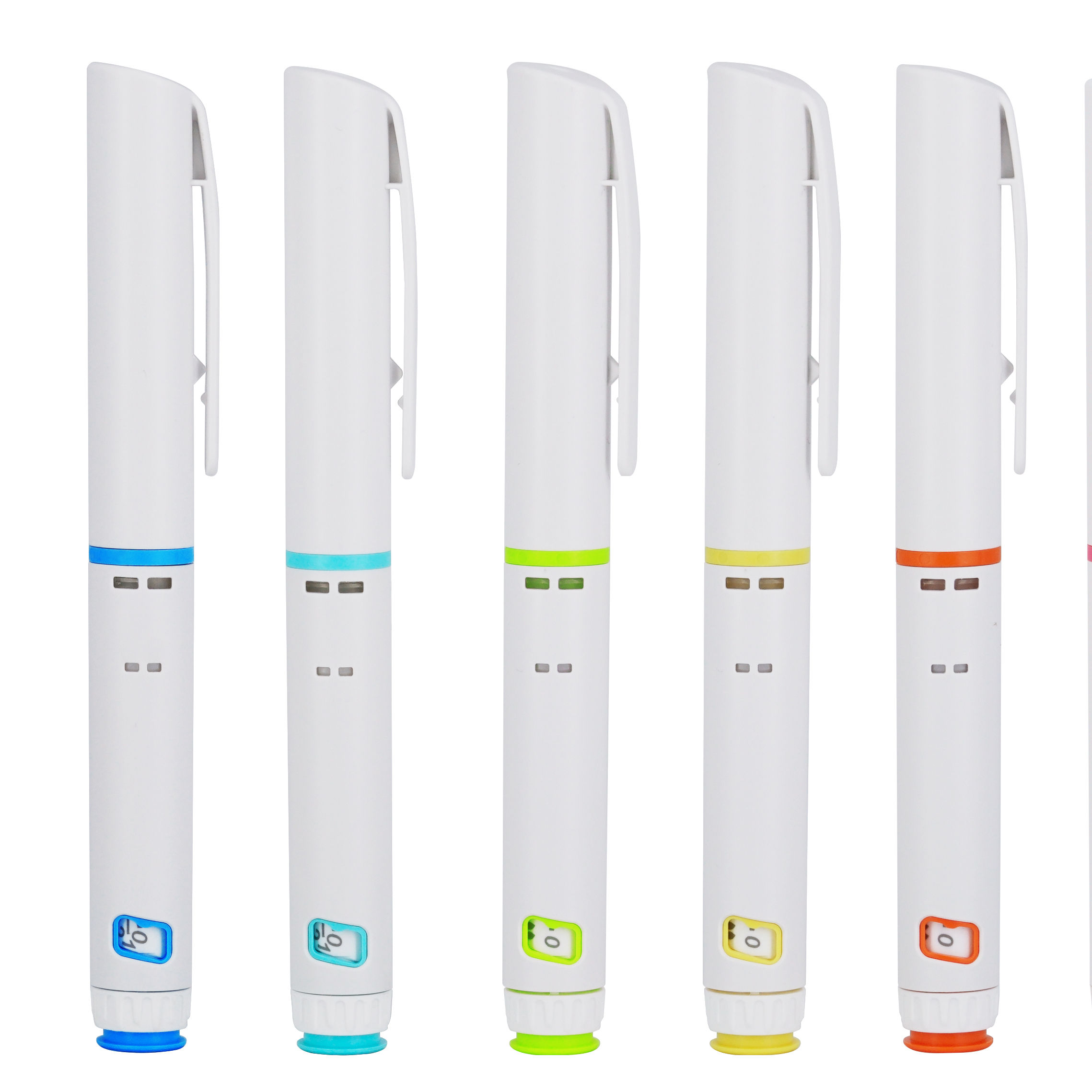
Using a peptide pen incorrectly is surprisingly common. Many users either apply too much pressure, use too frequently, or skip post-care entirely.
Let’s break down the correct application steps logically.
Yes, we mentioned cleansing before—but this time we’re talking about immediately before application.
Your face should be:
Free from makeup
Oil-free
Completely dry
Why dry? Because excess water dilutes peptide concentration.
Compared to applying serum with your fingers, a peptide pen provides:
More controlled dosage
More precise targeting
Less product waste
But it also demands more discipline.
This is where the magic—or damage—happens.
A peptide pen typically uses micro-vibration or micro-needling technology (depending on the model). Some advanced models operate at adjustable depths, but consumer-grade pens are usually surface-level.
Hold pen perpendicular to skin
Use gentle, consistent motion
Avoid overlapping same spot more than 2–3 times
Focus on areas with fine lines, loss of firmness, or dull texture
Compared to manual application:
Peptide pen infusion is faster
More concentrated
Potentially stronger in anti-aging effect
However, it is also:
More sensitive to incorrect pressure
More likely to irritate if overused
Think of it like using a power drill compared to a screwdriver. Faster? Yes. Requires skill? Absolutely.
After infusion, your skin barrier is temporarily more permeable. This is not the time to leave your skin bare.
Apply:
Barrier-repair cream
Ceramide-based moisturizer
Light occlusive layer
Compared to skipping this step:
Moisture locking reduces irritation
Speeds recovery
Enhances peptide performance
Failing to seal in hydration is like leaving a door open after turning on the heater. You lose efficiency.
Here’s where many users go wrong.
“More must be better, right?”
Not exactly.
| Skin Type | Recommended Frequency | Why |
|---|---|---|
| Sensitive | Once every 10–14 days | Reduces inflammation risk |
| Normal | Once weekly | Balanced stimulation |
| Oily | 1–2 times weekly | Thicker skin tolerates more |
| Mature | Once weekly | Encourages collagen signaling |
Compared to daily serums, peptide pens should be used less frequently but deliver stronger targeted effects.
According to safety guidelines aligned with cosmetic device standards discussed by U.S. Food and Drug Administration, overuse of at-home microneedling devices can increase infection risk.
Persistent redness
Tingling lasting more than 24 hours
Flaking beyond mild peeling
Compared to traditional anti-aging creams, peptide pens are more intense. They are better for stimulation but less forgiving with misuse.
Moderation equals better long-term results.
Let’s be blunt. Most negative reviews come from misuse.
Active acne? Rosacea flare? Don’t.
Compared to healthy skin, inflamed skin absorbs actives unpredictably and reacts faster.
This isn’t a lipstick. It’s a semi-invasive tool. Sharing increases bacterial risk.
Retinol + Peptide Pen on the same night? Risky.
Compared to spacing them 48 hours apart:
Immediate combination increases irritation
Delayed combination improves tolerance
Harder does not mean better. In fact, more pressure often results in:
Micro-tears
Hyperpigmentation risk
Slower healing
Compared to professional clinic treatments, home peptide pens are lighter and less powerful—but still require respect.
Now we enter the interesting part. Pairing determines outcomes.
Best combination for hydration and plumping.
Compared to using peptides alone:
Hyaluronic acid improves glide
Reduces dryness
Enhances skin bounce
Advantage: Safer, gentler pairing
Disadvantage: Results are more hydration-focused than dramatic tightening
This pairing requires caution.
Compared to applying Vitamin C separately:
Using immediately after infusion may increase sensitivity
Better applied the next morning
Advantage: Brighter skin
Disadvantage: Higher irritation risk
Advanced users only.
Compared to peptide alone:
Stronger anti-aging effect
Faster collagen stimulation
But also:
More dryness
More peeling
Not suitable for beginners
Underrated but powerful.
Compared to skipping barrier repair:
Faster recovery
Less redness
Better long-term consistency
If peptides are the builders, ceramides are the cement.
More precise than creams
Faster visible texture improvement
Less expensive compared to clinic microneedling
Portable and convenient
Risk of misuse
Not ideal for extremely sensitive skin
Requires hygiene discipline
Results depend heavily on technique
Compared to LED masks:
Peptide pens are stronger but more technique-dependent
Compared to injectables:
Less dramatic but more affordable and non-invasive
It’s the middle ground. Stronger than topical, lighter than clinical procedures.
| Question | Answer |
|---|---|
| What is a peptide pen? | A handheld skincare device designed to enhance peptide absorption through micro-infusion or vibration technology. |
| Is a peptide pen safe for daily use? | No. Most skin types should use it once weekly or less to prevent irritation. |
| Does it hurt? | Mild tingling is common. Pain usually indicates too much pressure. |
| Can beginners use it? | Yes, but start slowly and avoid pairing with strong actives like retinol initially. |
| Is it better compared to regular serums? | It delivers peptides deeper and faster, but requires more caution and technique. |
| Who should avoid it? | Individuals with active acne, eczema, rosacea flare-ups, or compromised skin barrier. |
| Can it replace professional microneedling? | No. It is lighter and less powerful compared to clinical procedures. |
| What side effects are possible? | Temporary redness, mild swelling, dryness. Serious issues are rare if used properly. |
| Is it suitable for mature skin? | Yes, mature skin often benefits from collagen-stimulating effects. |
| How long before results appear? | Visible texture improvements may appear in 4–6 weeks with consistent, correct use. |


