
Views: 0 Author: Site Editor Publish Time: 2026-02-12 Origin: Site


If you’ve been browsing skincare forums, dermatologist blogs, or even scrolling late at night through beauty reels, you’ve probably seen the term peptide pen pop up again and again. But what exactly is a peptide pen? Is it just another trend, or is it a smarter, faster, and better way to deliver peptides into your skin compared to traditional serums?
Let’s unpack it together.
We’ll go deep—into the biology, the mechanisms, the realistic timelines, and even the pros and cons—so by the end, you won’t just know what a peptide pen is. You’ll understand whether it’s worth your time, your money, and your skin.
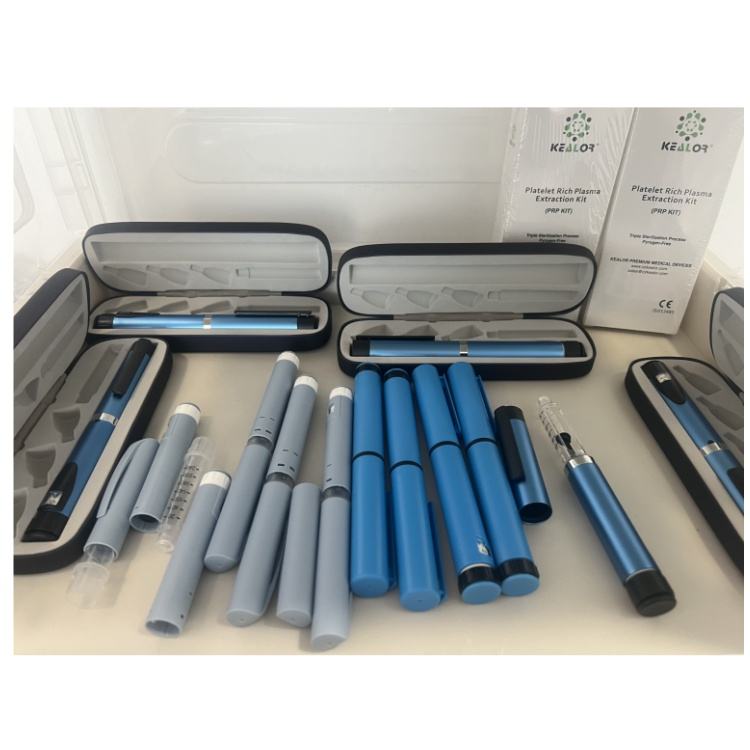
A peptide pen is a handheld skincare delivery device designed to apply peptide-rich formulations directly into the upper layers of the skin in a controlled and targeted way. Unlike a standard cream or serum that you simply spread on the surface, a peptide pen often uses precision applicators—sometimes micro-channeling tips or fine dosing systems—to enhance absorption and maximize bioavailability.
Think of it like this: if a traditional serum is like watering your lawn with a hose, a peptide pen is like installing a drip irrigation system. Instead of flooding the surface and hoping some water seeps in, you’re delivering nutrients exactly where they’re needed.
Peptides themselves are short chains of amino acids—the building blocks of proteins. In skincare, peptides signal the skin to produce more collagen, repair damage, and improve elasticity. According to research published in the International Journal of Cosmetic Science, certain peptides can stimulate fibroblast activity, which directly influences collagen synthesis and dermal remodeling.
Compared to standard topical formulations, a peptide pen often provides:
More targeted delivery
Faster absorption
Potentially stronger biological response
More efficient use of active ingredients
However, it may also be more expensive than traditional serums, and depending on the technology used, it may require more careful handling.
So, how does a peptide pen compare to traditional peptide serums?
Let’s break it down clearly.
| Feature | Peptide Pen | Traditional Peptide Serum |
|---|---|---|
| Delivery Method | Precision applicator or micro-channel system | Surface application with fingers |
| Absorption | Potentially deeper and faster | Mostly epidermal, slower diffusion |
| Potency | Often higher concentration per dose | Variable concentrations |
| Cost | More expensive | More affordable |
| Convenience | Slightly more technical | Simple and quick |
| Risk | Mild irritation possible | Generally lower irritation risk |
Compared to traditional serums, peptide pens aim to enhance penetration. The skin barrier, especially the stratum corneum, is incredibly effective at keeping things out. That’s great for pathogens—but not so great for expensive peptides.
A peptide pen works smarter by either:
Creating micro-channels for better absorption
Delivering stabilized peptide complexes
Using encapsulation technologies
But is it always better? Not necessarily. If your skin is extremely sensitive, the gentler nature of traditional serums may be more suitable.
Let’s get into the real science. How exactly does a peptide pen improve your skin?
Collagen is the scaffolding of your skin. Without it, everything sags, wrinkles, and collapses like a poorly built tent.
Certain signal peptides, such as palmitoyl pentapeptide-4, stimulate fibroblasts to produce more collagen types I and III. Studies in dermatological research have shown increased collagen density after consistent peptide application.
Compared to retinoids, peptides may be less irritating but also potentially slower in delivering dramatic visible results. However, they’re often better tolerated for long-term use.
With a peptide pen, enhanced delivery may lead to faster signaling activation compared to surface-level serums.
Micro-damage accumulates daily—UV exposure, pollution, stress. Your skin is constantly fighting.
Carrier peptides, especially copper peptides, assist in wound healing and tissue remodeling. Research in the Journal of Drugs in Dermatology suggests copper peptides may accelerate skin recovery and improve overall texture.
Compared to basic moisturizers, peptide pens offer a stronger regenerative effect, but they may also require disciplined usage for optimal results.
Some peptides modulate inflammatory pathways. That means redness, irritation, and post-treatment sensitivity can decrease.
Compared to steroids (which are stronger but unsuitable for cosmetic daily use), peptides offer a safer long-term anti-inflammatory alternative.
However, if overused, especially in combination with exfoliating treatments, even peptide pens can cause mild irritation.
Elasticity is what makes young skin bounce back.
By stimulating elastin production and protecting the extracellular matrix, peptides can improve resilience. Compared to hyaluronic acid—which hydrates but doesn’t rebuild structure—peptides provide a deeper structural advantage.
Hydration gives you plumpness today.
Peptides build strength for tomorrow.
Over time, collagen stimulation and improved turnover reduce fine lines.
Compared to Botox-like treatments (which are stronger and faster but invasive and more expensive), neurotransmitter-inhibiting peptides may offer a lighter, topical smoothing effect.
Is it as dramatic? No.
Is it safer and more accessible? Absolutely.
Not all peptides are created equal. Understanding their roles helps you choose better.
| Peptide Type | Primary Function | Compared Advantage | Potential Drawback |
|---|---|---|---|
| Signal Peptides | Stimulate collagen production | Better long-term anti-aging | Slower visible results |
| Carrier Peptides | Deliver trace elements like copper | Stronger repair support | Can irritate sensitive skin |
| Neurotransmitter-Inhibiting Peptides | Reduce muscle contraction | Lighter alternative to injectables | Less dramatic than Botox |
These are like messengers knocking on your skin cells’ doors.
“Hey! Produce more collagen!”
Compared to antioxidants that mainly prevent damage, signal peptides actively stimulate regeneration.
They transport essential minerals. Copper peptides are a classic example.
Compared to vitamin C (which is powerful but unstable), copper peptides are often more stable but may work slower.
Often called “Botox-like” peptides.
They work by softening muscle contraction signals. Compared to injectables, they are less invasive, less expensive, but also less powerful.
Think of them as whispering to your muscles instead of freezing them.
Patience is everything in skincare.
Here’s a realistic timeline when using a peptide pen:
| Timeframe | Expected Changes |
|---|---|
| Week 1–2 | Improved hydration, slight glow |
| Week 3–4 | Texture refinement begins |
| Week 6–8 | Fine lines soften |
| 12 Weeks | Noticeable firmness improvement |
Compared to laser treatments (which are faster but more expensive and downtime-heavy), peptide pens offer gradual, sustainable improvement.
Consistency matters. Using it sporadically? Results will be slower and weaker.
Peptide pens are generally suitable for:
Aging skin
Dry skin
Combination skin
Mildly sensitive skin
Compared to strong exfoliants, peptide pens are gentler and more supportive.
However:
Extremely reactive skin may need patch testing.
Acne-prone skin should avoid occlusive peptide formulations.
Compared to retinol, peptides are often better tolerated, but retinol may deliver stronger resurfacing effects faster.

| Question | Answer |
|---|---|
| Is a peptide pen better than a serum? | It can be more targeted and faster-absorbing, but it’s also more expensive. |
| Are peptide pens safe? | Generally yes, but mild irritation is possible. Patch testing is recommended. |
| Can I use it daily? | Usually yes, depending on formulation. Follow manufacturer guidelines. |
| Is it better than retinol? | Retinol works faster for resurfacing. Peptides are gentler and better for long-term maintenance. |
| Do peptide pens replace Botox? | No. They are lighter, non-invasive alternatives with subtler results. |
| Are there side effects? | Possible redness or sensitivity if overused. |
| Who should avoid it? | People with open wounds, severe eczema, or active infections. |


