
Views: 0 Author: Site Editor Publish Time: 2026-01-21 Origin: Site


In the world of skincare and healthcare, the peptide pen has gained substantial popularity. Whether it’s used for skin rejuvenation, hair restoration, or collagen boosting, this innovative device has revolutionized the way people achieve healthier, more youthful skin. But just like any other advanced technology, your peptide pen needs proper care and maintenance to continue working at its peak performance. Without routine upkeep, you might not get the full benefits, and worse, the pen could stop working altogether.
In this article, we will dive into the essential aspects of peptide pen maintenance, from basic daily upkeep to more detailed monthly checks. This guide is designed to help you extend the lifespan of your device, ensuring that you get the most value from your investment. If you’ve ever wondered how to keep your peptide pen functioning like new or how to troubleshoot common issues, keep reading!

Before diving into maintenance, it’s crucial to understand how the peptide pen works. At its core, a peptide pen delivers active ingredients directly into the skin, usually via micro-needling technology. The micro-needles create tiny punctures in the skin, allowing peptides and other beneficial substances to penetrate deeper layers for maximum effect.
Peptide pens come in different variations, tailored to specific purposes:
Skincare peptide pens: These are designed to boost collagen production, reduce wrinkles, and improve skin texture.
Hair restoration peptide pens: These pens stimulate hair follicles, promoting hair growth for individuals experiencing hair thinning or loss.
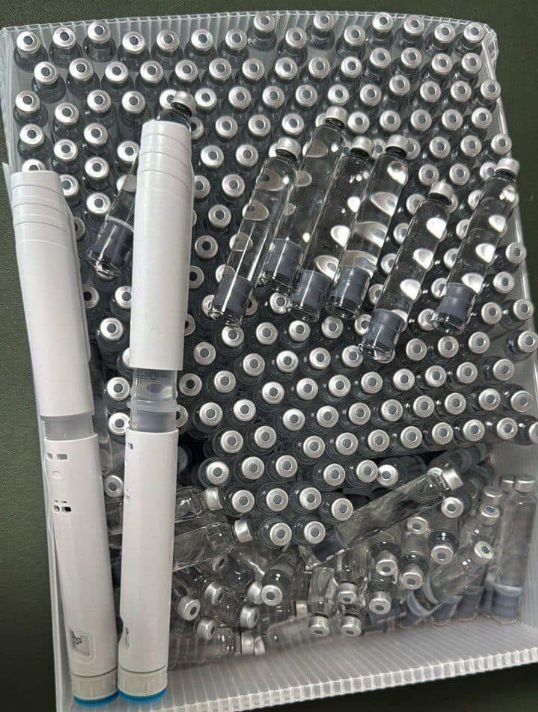
The pen’s components usually include:
The cartridge: Contains the peptides and active ingredients.
Needles: The tiny needles create micro-channels in the skin.
Pen body: The casing that holds the cartridge and needles.
By understanding the mechanics of the peptide pen, you’ll know how to take proper care of each part, ensuring smooth operation and consistent results.
One of the most important aspects of maintaining a peptide pen is regular cleaning. Cleaning after every use ensures that there’s no buildup of old product or debris that could clog the needle or contaminate the cartridge.
Cleaning the needle: Use a soft cloth or cotton swab soaked in alcohol to gently wipe the needle. Avoid using abrasive materials as they can cause damage.
Cleaning the cartridge: After each session, remove the cartridge and clean it with a gentle cleanser or alcohol, making sure to wipe away any residue.
Avoid harsh chemical cleaners or abrasives, as these could damage the delicate needle or affect the pen’s performance.
Proper storage is key to keeping your peptide pen in top shape. Here are some tips to ensure the device stays functional:
Store it in a cool, dry place away from direct sunlight.
Keep the pen away from high temperatures (e.g., don’t leave it in your car or near a heater).
If your pen is electronic, ensure it’s stored in a place with moderate humidity to avoid damaging any electrical components.
Over time, even the best-made devices can show signs of wear. Here's what to look for:
Clogged needles: If you notice that the application feels inconsistent, the needle might be clogged.
Cracks in the pen body: Any visible damage could affect the performance of the device and should be addressed immediately.
If you notice any of these issues, it's time to replace the damaged parts to keep the pen functioning smoothly.

Once a week, take the time to thoroughly clean your peptide pen. Here’s how:
Disassemble the pen carefully and clean each component individually.
Use alcohol or a disinfecting solution that’s gentle on the pen’s materials to ensure all components are free of bacteria and buildup.
This deep cleaning routine helps prevent any potential blockages and ensures that the pen is operating optimally.
Test the pen’s performance by:
Testing the needle’s functionality: Gently apply the pen to a piece of paper or towel to ensure the needles are functioning properly.
Checking for even application: When using the pen, ensure the peptides are being applied evenly. If not, it could be a sign that the pen needs some attention.
The cartridge and needle wear out over time, and replacing them regularly is essential for maintaining the pen’s performance. The frequency of replacement depends on usage, but a good rule of thumb is:
Needles: Replace every 3 to 6 months.
Cartridges: Replace after every 10-15 uses or when they begin to show signs of wear.
Conduct a monthly inspection to ensure everything is functioning correctly. Check for:
Battery health (if electronic): Make sure the pen is charging properly and holds the charge.
Motor function: Ensure that the pen’s motor is running smoothly, especially in more complex models.
Some electronic peptide pens come with software that can be calibrated or updated. If your pen has a digital interface, make sure the settings are up-to-date, and the pen is calibrated for optimal use.
One of the most common mistakes people make is using harsh cleaning agents. These can cause irreversible damage to the delicate components of your peptide pen, including the needles and the cartridge.
Don’t wait until your pen is no longer working before replacing worn parts. Continuing to use a damaged pen can lead to more expensive repairs in the future.
Improper storage is a huge culprit in reducing the lifespan of your peptide pen. Extreme temperatures, humidity, and exposure to direct sunlight can degrade both the pen’s body and its internal components.
Forgetting to check the battery life on an electronic peptide pen can lead to inconsistent results. Keep an eye on the battery and charge it regularly.
No power: If your pen isn’t turning on, check the battery and ensure it’s charged.
Clogged needle: Clean or replace the needle if you notice uneven application.
Inconsistent performance: If your pen isn’t performing like it used to, check for clogs, damaged components, or battery issues.
If your peptide pen shows signs of malfunction that you can’t fix, such as electrical failure or irreparable damage, it's time to consult a professional. Don’t risk further damage by attempting to fix complex issues on your own.
Regular maintenance of your peptide pen is essential to ensure it continues to deliver effective results. By following the steps outlined above—from daily cleaning to monthly checkups—you’ll extend the lifespan of your pen and make sure it works as efficiently as possible. Remember to replace consumables when necessary, store your pen properly, and troubleshoot minor issues early on.
By giving your peptide pen the care it deserves, you’re investing in long-term performance and value for money. So, take a few minutes every day, week, and month to maintain your pen, and you’ll see the benefits for years to come!
| Question | Answer |
|---|---|
| How often should I clean my peptide pen? | You should clean your peptide pen after each use to prevent any buildup of product or debris. A deep cleaning once a week is also recommended for optimal maintenance. |
| How long will my peptide pen last? | With proper maintenance, a high-quality peptide pen can last for several years. Regularly replacing consumables and checking for wear and tear helps extend its lifespan. |
| Can I use any cleaning product on my peptide pen? | No, it’s important to use gentle cleaners like alcohol or non-abrasive materials. Harsh chemicals can damage the pen’s components. |
| When should I replace the needle and cartridge? | Needles should be replaced every 3 to 6 months, depending on usage, while cartridges should be replaced after every 10-15 uses. |
| What should I do if my peptide pen isn’t working properly? | Check for common issues such as a clogged needle or low battery. If the problem persists, consider consulting a professional for repairs or replacement. |


