
Views: 0 Author: Site Editor Publish Time: 2025-12-22 Origin: Site


In the world of beauty and skincare, the demand for anti-aging treatments continues to rise. As people strive for younger, healthier skin, new technologies are emerging to address these needs. Among the most talked-about treatments today are peptide pens and beauty injections. But with so many options available, how do you choose the right one for your skin?
This comprehensive guide will explore both treatments, comparing their principles, effectiveness, suitability for different skin types, and advantages. By the end of this article, you'll have a clearer understanding of which option might be best for you.
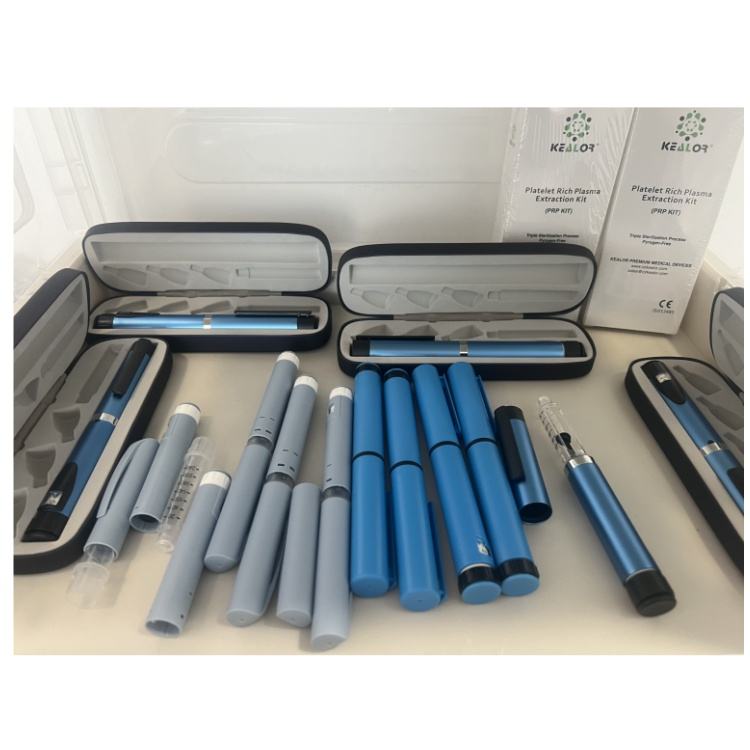
When it comes to anti-aging treatments, we’re spoilt for choice. From topical creams to laser treatments, and microneedling, the possibilities seem endless. However, two options that have gained significant attention in recent years are peptide pens and beauty injections.
Peptide pens, a more recent development in the skincare industry, focus on non-invasive treatments. These devices use peptides to stimulate the skin and encourage collagen production, promising a rejuvenated and youthful appearance.
On the other hand, beauty injections—often associated with Botox or dermal fillers—inject substances into the skin to relax muscles or fill in wrinkles. While effective, injections can be more invasive and require a visit to a professional.
But which one is more effective, safer, and easier to use? Let’s dive deeper into these two options to see how they compare in terms of technology, effectiveness, and overall results.
A peptide pen is an innovative device that uses microcurrent technology to deliver peptides (small protein fragments) directly to the skin's surface. These pens are designed for topical application, meaning that the treatment does not require any invasive procedures.
The pen works by gently stimulating the skin's surface, promoting the production of collagen and elastin—two key proteins responsible for maintaining youthful, firm skin. By doing this, peptide pens can improve the skin’s texture, elasticity, and overall appearance over time.
The mechanism behind peptide pens is akin to microneedling, but without the risk or recovery time. The treatment works by delivering small electrical pulses, which enhances the penetration of the peptides, leading to localized stimulation and rejuvenation.
In contrast, beauty injections (such as Botox or dermal fillers) work by delivering substances directly into the skin's deeper layers. These injections target areas of concern, such as wrinkles, fine lines, or volume loss, to smooth the skin or restore lost facial volume.
Botox, for example, works by temporarily paralyzing the muscles responsible for causing wrinkles, while dermal fillers (like hyaluronic acid) fill in the lines or folds to provide a plump, youthful appearance.
Unlike peptide pens, which only target the surface, beauty injections penetrate deeper into the skin, often requiring a professional to perform the procedure. The results are typically more immediate, but they come with the risks and discomfort associated with injections.
When comparing the effectiveness of peptide pens and beauty injections, there are several factors to consider, such as speed of results, pain levels, and the duration of effects.
Speed of Results:
Peptide pens often take time to show visible results. You may notice an improvement in your skin's texture and firmness after a few weeks of regular use.
Beauty injections, on the other hand, show results almost immediately. For instance, Botox can take just a few days to smooth out wrinkles, while dermal fillers offer instant volume.
Duration of Results:
Peptide pens can provide results that last for months with consistent use. However, since the treatment is more about stimulating your skin over time, the effects are more gradual.
Beauty injections typically offer temporary results. Botox lasts around 3-6 months, and dermal fillers last between 6-12 months, depending on the product.
Pain Levels:
Peptide pens are relatively painless. The microcurrent stimulation feels more like a gentle tingling, making it a comfortable option for many users.
Beauty injections are more invasive and may cause discomfort, especially for those with sensitive skin. Numbing agents are often used, but the injections themselves can still be somewhat painful.
In terms of immediacy and intensity, beauty injections typically outperform peptide pens, but for those seeking non-invasive, gradual results, peptide pens may be a better choice.

The suitability of either treatment largely depends on your skin type, concerns, and desired results.
Peptide Pens:
Ideal for individuals looking for gentle rejuvenation without the need for invasive procedures.
Works best for fine lines, uneven skin texture, and early signs of aging.
Suitable for all skin types, as the topical application does not involve direct penetration into deeper skin layers.
Beauty Injections:
Best suited for individuals with deep wrinkles, significant volume loss, or those seeking quick results.
Ideal for those who don’t mind visiting a professional for treatment.
Botox is more appropriate for expression lines, while dermal fillers are perfect for areas like the cheeks, lips, and under-eye circles.
Both treatments can be effective, but the choice between them should depend on how invasive you want the procedure to be and how immediate the results need to be.
One of the major advantages of using a peptide pen is that it is a non-invasive treatment. Unlike beauty injections, which require a needle and a professional, peptide pens are designed for at-home use. This makes them a convenient and safe option for people who want to treat their skin without any downtime or recovery period.
Peptide pens are often seen as a safer alternative because they don't involve the risk of injections or the potential for side effects like bruising, swelling, or allergic reactions. The ingredients used in peptide pens are also generally gentle and well-tolerated by most skin types.
Another benefit of peptide pens is that they offer self-control. You can use the pen as often as needed, depending on your skin's requirements, and adjust the intensity of the treatment to suit your preferences.
This autonomy is a huge draw for many users who prefer to skip the hassle of doctor visits and injectables. With just a simple device, you can incorporate peptide treatments into your daily skincare routine.
Choosing between a peptide pen and beauty injections is a deeply personal decision. If you're looking for a non-invasive, low-risk option that can gradually enhance the appearance of your skin, the peptide pen may be the right choice for you. It’s an excellent option for those who want to maintain healthy, youthful skin over time without the need for needles or professional treatments.
However, if you’re after immediate results, and you don’t mind visiting a professional, beauty injections offer a quicker fix with noticeable, long-lasting effects.
Ultimately, both treatments have their advantages and drawbacks. Understanding your skin type, needs, and budget will help guide you toward the best option.

| Question | Answer |
|---|---|
| How often should I use a peptide pen? | It’s generally recommended to use a peptide pen 2-3 times a week for optimal results, though this can vary. |
| Are there any side effects of using a peptide pen? | Peptide pens are safe for most people, but some may experience mild irritation. Always test a patch first. |
| Can I combine peptide pens with other skincare treatments? | Yes, peptide pens can be used alongside other treatments like serums and moisturizers, but avoid mixing with harsh products like retinols. |
| Do peptide pens work for deep wrinkles? | Peptide pens are best suited for fine lines and early signs of aging. For deeper wrinkles, beauty injections might be more effective. |
| How long do results from a peptide pen last? | Results from a peptide pen can last for several months with consistent use, but may require regular treatment to maintain. |
Sources:
1.


